

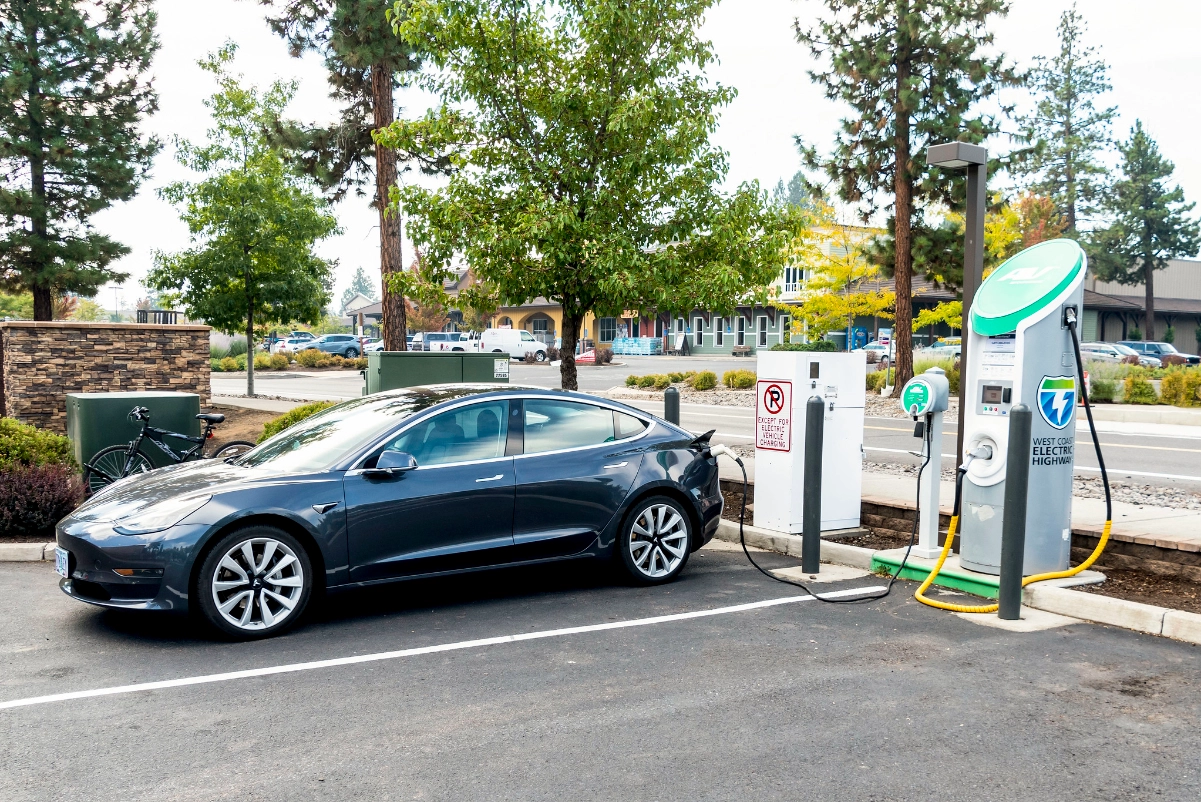
As time goes on, the electric car market continues to grow, and more individuals are aiming to switch to them. Major automakers have committed that millions of new automobiles and trucks will be plugged into electrical outlets over the course of the next ten years rather than refueled at gas stations. This raises the question of whether will there be enough electricity to drive electric cars. Here we answer some common questions about EVs, including will there be enough electricity to power electric cars, will electric cars affect our environment, and will the cost of electric cars come down.
Will There Be Enough Electricity To Power The Electric Cars:
Automakers and governments aim to ban the sale of fossil-fuel vehicles by 2030 and promote electric vehicles throughout the world as a key technology to improve the environment by reducing air pollution. This means new car buyers will have three options, plug-in hybrid electric vehicles (PHEVs), battery electric vehicles (BEVs), and hydrogen fuel cell vehicles. According to research, more than four million PHEVs and BEVs have sold worldwide to date, and by 2030, it expected the number will reach 125 million. The change will have major implications for companies that generate and sell electricity and manage the grid. Analysts generally stated that electrifying millions of new cars are entirely possible, but it will require careful planning.
EVs As A Power Source:
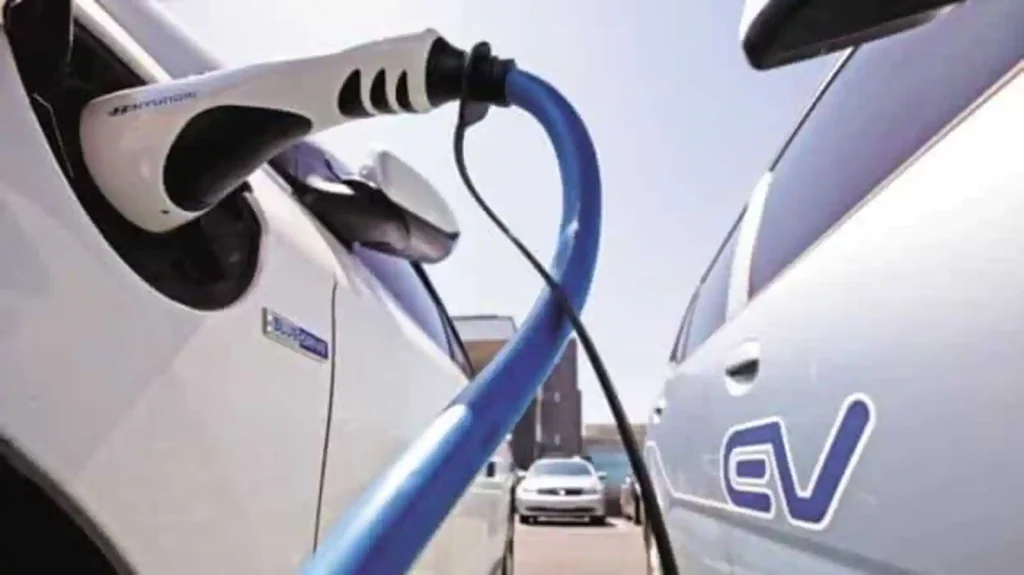
EU electrical system is currently undergoing an unprecedented transition as the framework for producing electricity is already carbon neutral and the scenario keeps getting better and better. Electric vehicles can offer a crucial source of flexibility in the energy grid that can help to fend off this volatility. EVs have the potential to link sustainable mobility and energy, rather than being a threat to grid stability.
Vehicle To Grid (V2G) Technology:
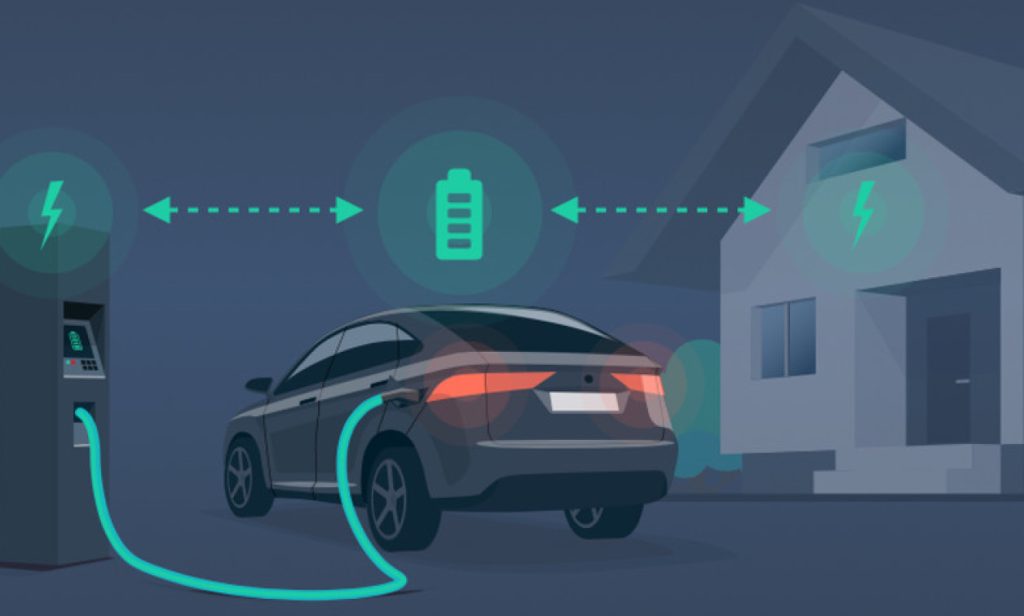
Smart charging can address the majority of issues at the local and residential levels in relation to regulating the peak electricity demand and low-voltage grid. All those idle EVs might be put to use using vehicle-to-grid (V2G) technology, which could change the already overburdened electrical grid. Bidirectional chargers have utilized in V2G technology to transfer any unused electricity from an EV’s batteries onto the smart grid. As an EV charge can changed grid’s AC (alternating current) electricity into batteries DC (direct current) which then used to drive the vehicle. A bidirectional charger can convert DC to AC and transfer it from the EV’s lithium-ion cells to the grid.
In order to balance changes in energy output and consumption, V2G allows the charged power to briefly sent back from the car batteries to the grid in addition to managing the charging power. When production is typically highest during the day, an EV battery can used to store renewable energy. Energy can released in the evening when demand increases to ease market pressure. In addition, EVs may end up becoming the most widely used distributed energy storage system. They might produce more electricity together than all of the conventional power plants put together. Consequently, EVs can provide a great source of inexpensive energy storage because they have no upfront costs and very modest operational costs.
Possibility Of V2G Technology:
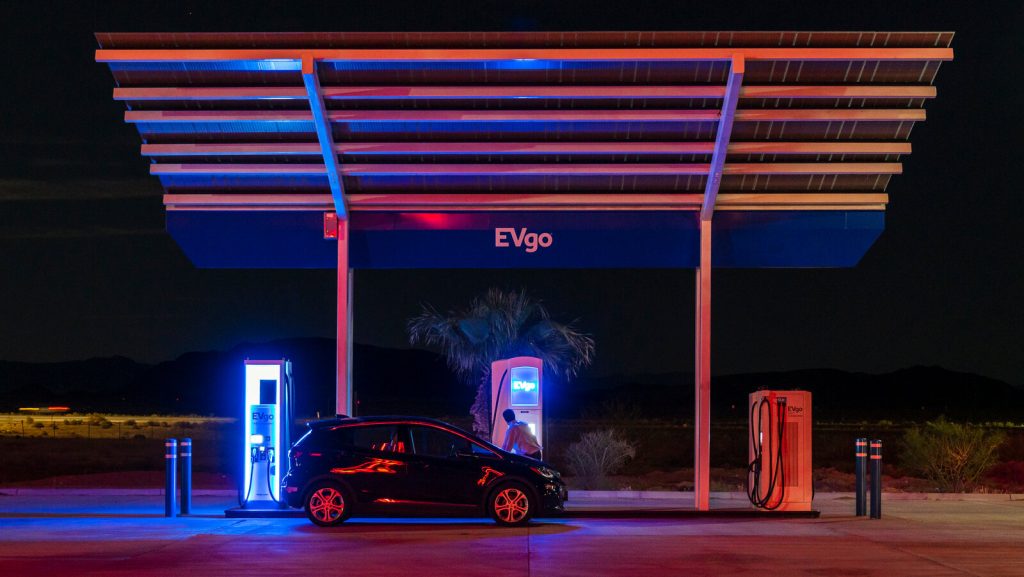
While the electrification of transportation is undoubtedly accelerating and car companies are trying to scale V2G technology. a severe power shortage brought on by electric vehicles won’t materialize quickly, there is still a long way to go before helping decarbonize the grid. Moreover, Policy experts state that more investment has needed to make the technology accessible. Utilities not only need to upgrade the power of grid in terms of new transmission lines and physical transformers. But they also invest in smart grid technology to determine when electricity has to discharged or absorbed.
According to Steven Cohen, an expert in environmental science and policy at Columbia’s School of International and Public Affairs, the policy barrier that V2G technology faces is a lack of money. The federal government’s ability to fund the initial costs would be a key requirement. Once the technology installed, operation and maintenance costs can covered by local ratepayers.
Would Electric Cars Affect Our Environment?

According to research, electric vehicles more environmentally friendly compared to gasoline or diesel cars, because they emit fewer greenhouse gases and air pollution than petrol or diesel cars. They can contribute to improving air quality in towns and cities because they have no tailpipes. Pure electric vehicles emit no carbon dioxide when driving and can help to reduce air pollution to a great extent.
Research has shown that just one electric vehicle on the road can reduce CO2 emissions by 1.5 million grams annually on average. Automakers and governments are promoting electric vehicles throughout the world as a key technology to reduce oil consumption and fight climate change. Several automakers have committed to transitioning to fully electric vehicles in the next five to ten years, including Mercedes-Benz, Jaguar, Audi, and GM. The mayor of London claims that half of the city’s air pollution has caused by the transportation sector. The UK government has set a target to ban the sale of petrol and diesel vehicles by 2040. Electric vehicles will play an important role in the government’s efforts to reduce carbon emissions to zero by 2050.
Electric Vehicles Are Eco-friendly Option:
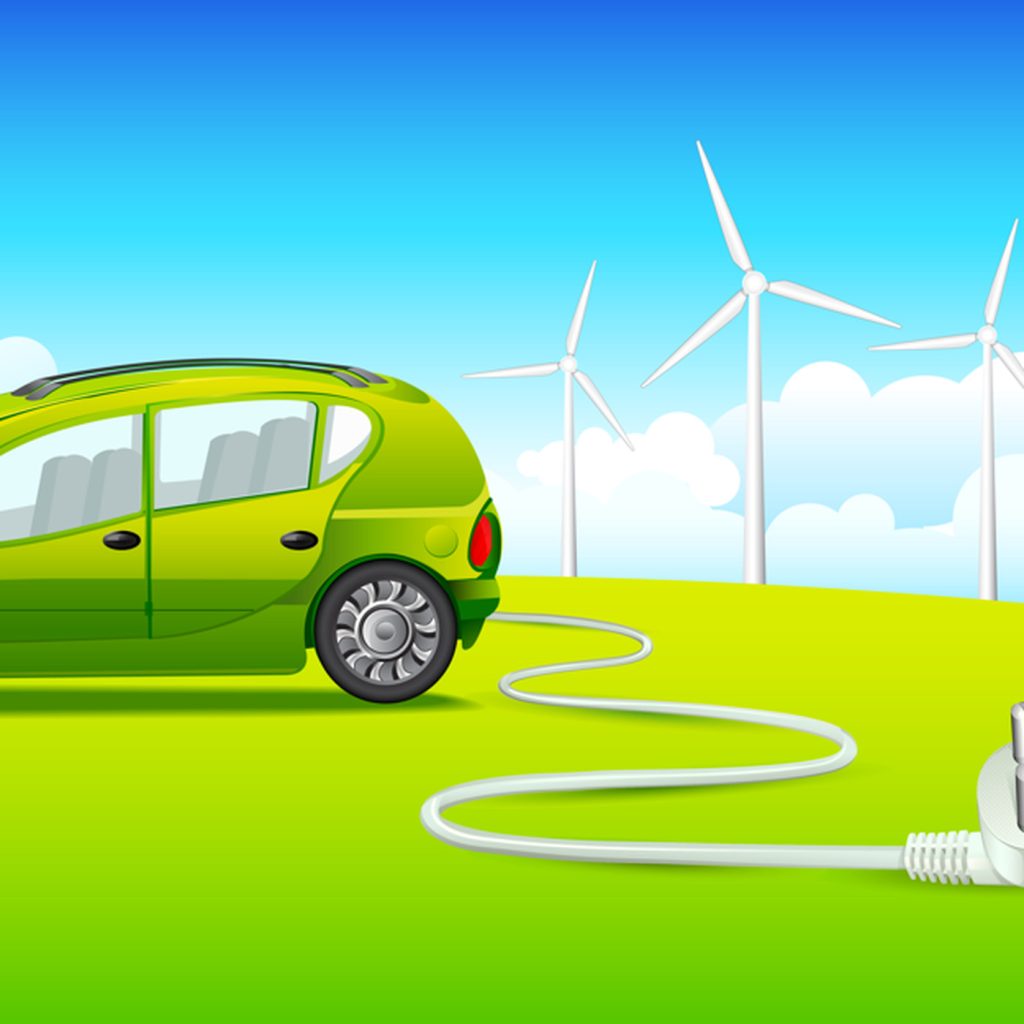
To transition to battery-powered vehicles, General Motors has said it plans to end sales of new gasoline-powered vehicles and light trucks by 2035. Because it will directly impact our air quality, it will go even faster and launch an all-electric lineup by 2030. As a result, electric vehicles will make our roads cleaner by eliminating dangerous gases and improving the quality of life for bicycles and pedestrians in our towns and cities.
While experts widely agree that electric vehicles a more climate-friendly option than conventional vehicles because battery electric vehicles do not naturally produce emissions from fuel combustion. But they may emit some CO2 depending on how the electricity that powers them produced. It all depends on whether electricity is produced by natural gas and coal, or wind and solar energy.
Will The Price Of Electric Cars Come Down?

The electric vehicle industry continues to develop with each passing day and people are hoping to switch to electric vehicles. But, with rising prices, buying an electric vehicle is unaffordable for many people. The average price of a new electric vehicle is now $66,000, up 4% from last month and up 14% from last year.
It is anticipated that EV costs will begin to decline in the coming years and that they will further decline over the course of the following ten years. Some resources claimed that current car prices have been affected by the global crisis and poor supply chains. The EV market is still very early in its business lifecycle, only 5% of all new car sales are currently electric vehicles. EVs may be a little cheaper when the crisis is over. So, if we factor in the additional supply, it is anticipated to see prices start modestly declining by 2025 and see a big price drop by 2030.
Factors Will Lead To Big Drop In Prices:
The restoration of supply chains may cause a slight drop in EV prices, but two other factors will lead to bigger drops in prices much sooner.
- When more manufacturers will release new EV models into the market, EV prices will quickly decrease. The excess supply from multiple sources will naturally control prices as consumers will have more choices.
- Secondly, Due to increased competition, vehicle makers will pass these savings down to consumers to attract buyers, and manufacturers will create efficiencies over time that will enhance the design and lower the cost of production When EV production costs decrease, car companies will start selling EVs at lower prices.