
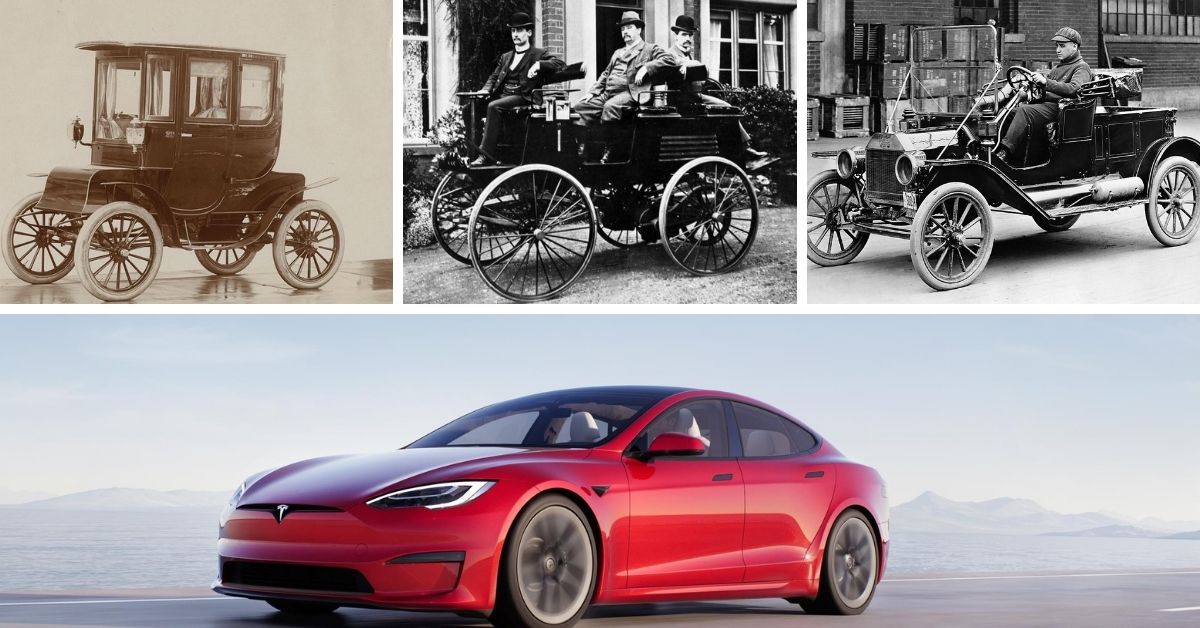
Electric vehicles (EVs), introduced more than a century ago, have only just started to compete with internal combustion engines (ICE) for the future of our highways. The demand for electric-drive vehicles will continue to grow whether it’s a hybrid, plug-in hybrid, or all-electric, as fuel prices increase people explore ways to reduce their gas expenditures. According to a survey by Navigant Research, global sales of electric vehicles, which currently account for more than 3 percent of new vehicle sales, could increase to over 7 percent or 6.6 million per year by 2023. The history of electric vehicles is replete with creative approaches to four-wheeled transportation that had first appeared far before the first gas-powered vehicles. With this growing interest in electric cars, let’s take a look at when were electric cars invented and which electric car brands are operating now.
When Were Electric Cars Invented:
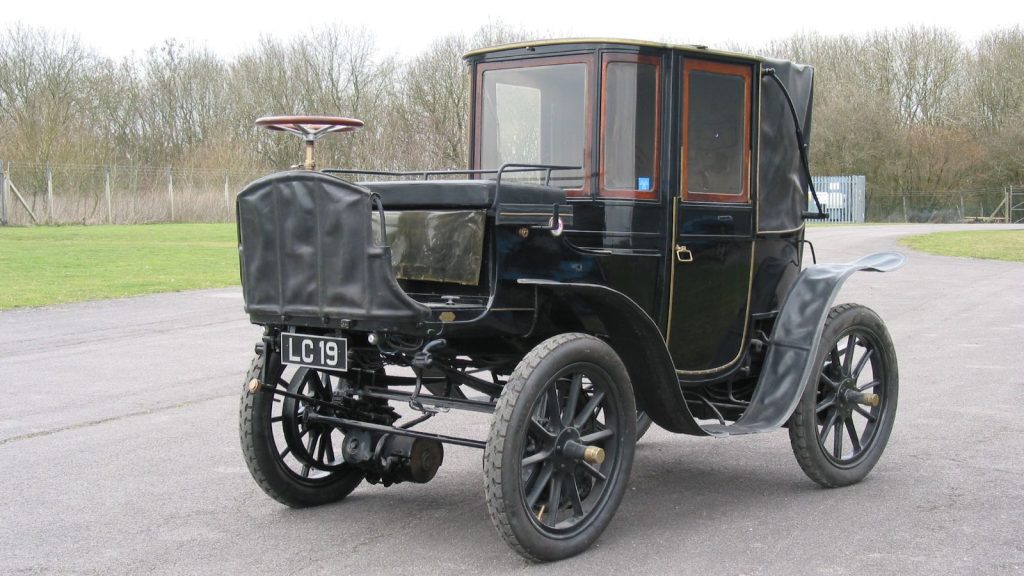
It is difficult to pinpoint a single person or country as the inventor of the electric car. Because it was a series of innovations in the 1800s, starting with the battery and ending with the electric motor, that made the first electric car a reality. Innovators in Hungary, the Netherlands, and the United States, including a blacksmith from Vermont, started experimenting with the idea of a battery-powered vehicle in the early part of the century and built some of the earliest small-scale electric cars.
What Was The First Electric Car?
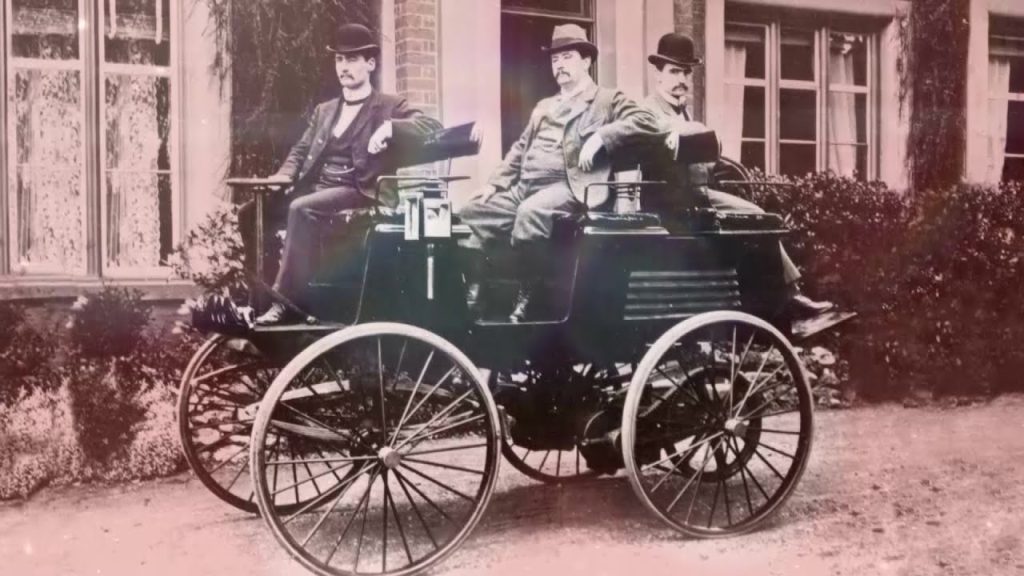
Do you know what was the first electric car? William Morrison, a chemist from Des Moines, Iowa, has credited with developing the first practical electric car in the United States in the 1890s. It is a six-passenger vehicle, which could reach a top speed of 14 mph (23 kilometers per hour), was essentially an electric wagon, but it sparked interest in electric cars. The next few years saw the emergence of electric vehicles from different automakers all around the U.S. Even New York City also had a line of over 60 electric taxis. Electric vehicles peaked in 1900, accounting for about a third of all vehicles on the road. They maintained their excellent sales for the next ten years.
Rise And Fall Of The Electric Car:

The electric vehicles gained popularity in 1900, but at the turn of the 20th century, the horse was still the primary mode of transportation. But as Americans became more prosperous, they turned to the newly invented motor vehicle and Electric cars became increasingly popular among urban dwellers. Electric cars became more popular with individuals from all walks of life as the availability of electricity increased in the 1910s and charging them got simpler.
However, Henry Ford developed the Model T, which gave the electric vehicle a blow. The Model T made gasoline-powered cars widely accessible and affordable when it was introduced in 1908. In 1912 a gasoline car cost just $650, while an electric roadster cost $1,750. In the same year, the electronic starter invented by Charles Kettering eliminated the hand crank and increased sales of gasoline-powered vehicles. Electric cars in 1917 started to decline and other developments also contributed to the decline of the electric vehicle. When Texas crude oil was discovered in 1920, petrol for rural Americans became affordable and easily accessible, filling stations started springing up all across the country and electric cars became popular with urban residents. All Electric vehicles had disappeared from the road by 1935.
New Beginning Of Electric Cars:
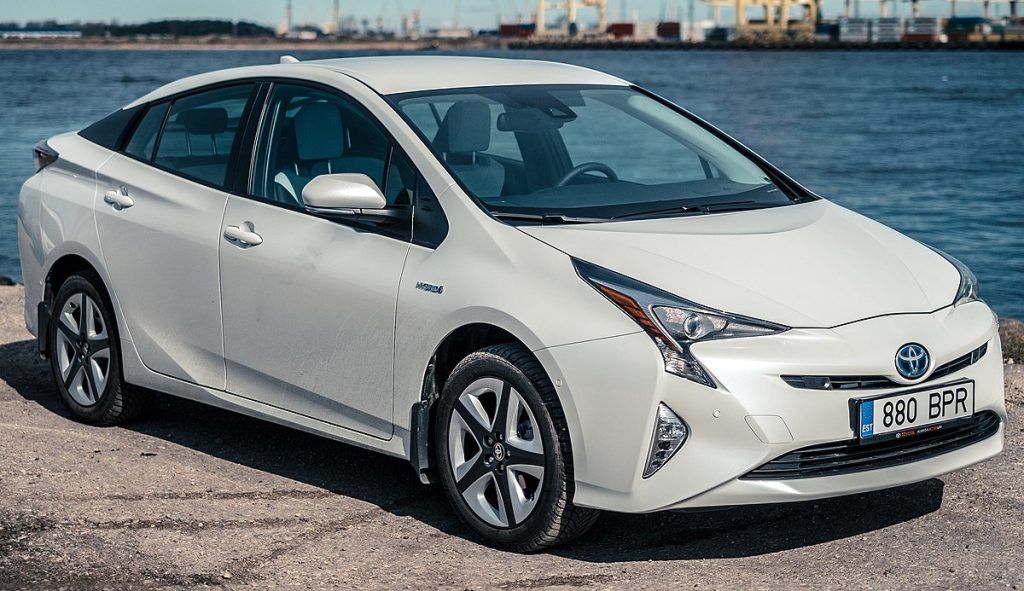
While the ups and downs of the EVs industry in the late 20th century showed the world the potential of the technology, the real revival of the electric car didn’t happen until the early years of the 21st century. The introduction of the Toyota Prius was the first major turning point, released in Japan in 1997. It is the world’s first mass-produced hybrid electric vehicle. Another occasion that helped to reshape electric vehicles was the 2006 announcement by a tiny Silicon Valley startup, Tesla Car inventor would start producing a luxury the electric sports car with a range of more than 320 km.
Many major automakers accelerated work on their own electric vehicles as a result of Tesla’s success. When Nissan introduced the Nissan LEAF in 2010, the competition increased. This emission-free, all-electric vehicle would surpass all other EVs in terms of global sales. New battery technologies also started to become available, which helped to lower the price of EV batteries and increase range. As a result, the cost of electric vehicles as a whole has decreased, making them more accessible to consumers. Although it’s difficult to predict where electric vehicles will go in the future, it is clear that they have the potential for creating a more sustainable future. Let’s see what direction electric vehicles will take in the future, comment your opinion on what you think.
Electric Cars Brands 2022:
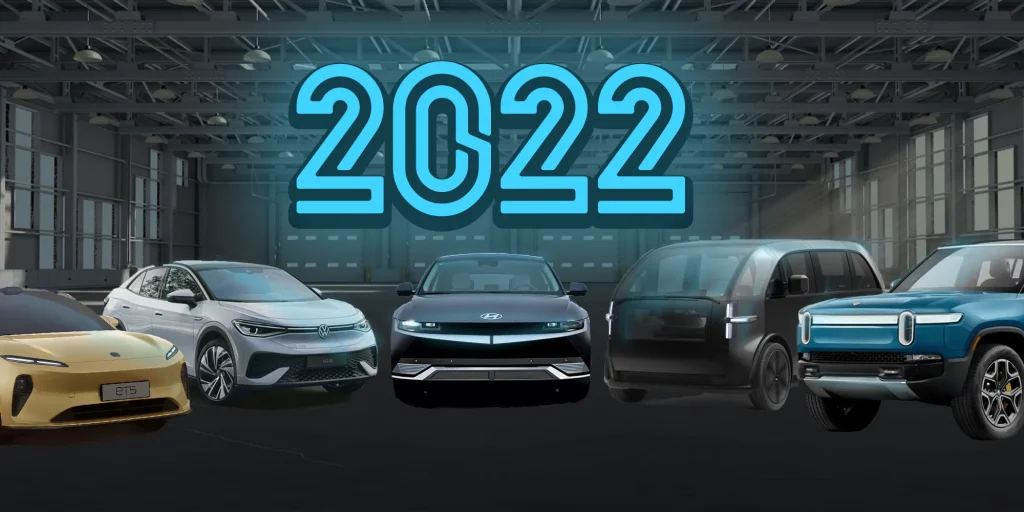
Here is the list of popular Electric Cars Brands 2022 as follows:
- Lucid Air
- BMW i4
- Tesla Model S.
- Mercedes-AMG EQS
- Porsche Tycoon GTS
- Audi E-Tron GT
- Toyota RAV4 Prime
- Toyota Prius Prime
- HYUNDAI IONIQ 5
- Nissan Leaf
- Chevrolet Bolt EV
- KIA EV6