
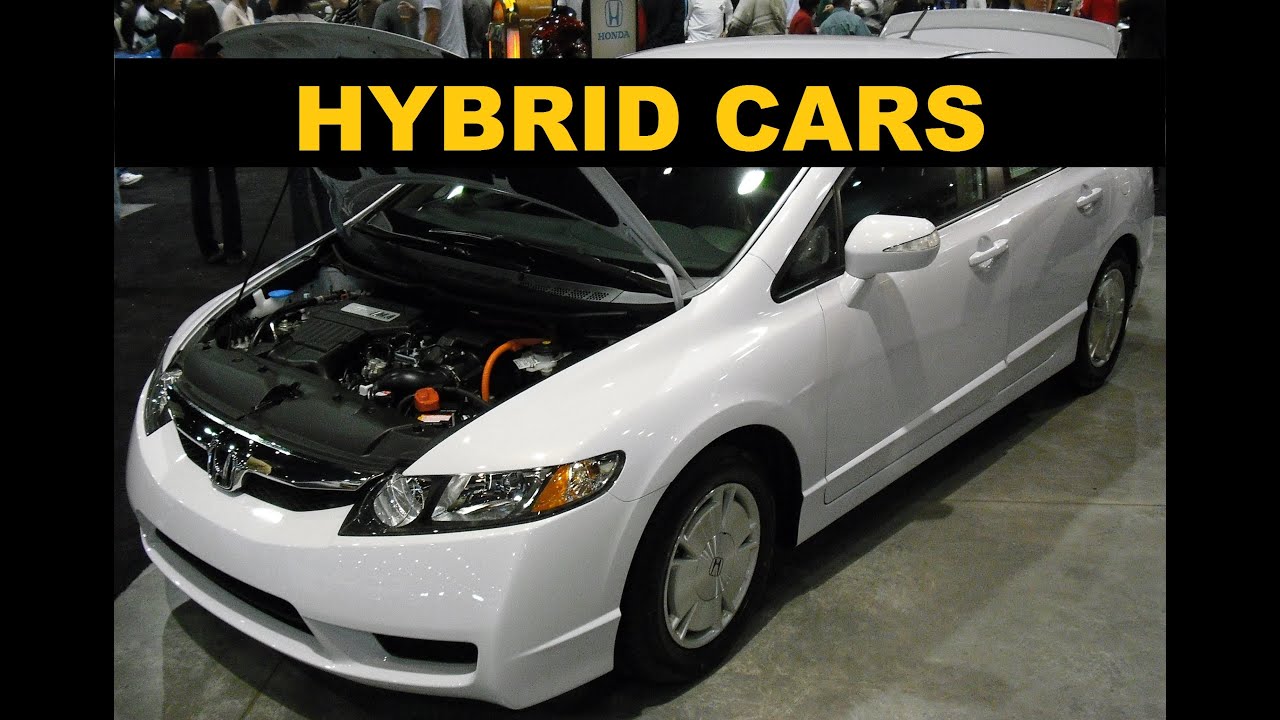
what does a hybrid car mean? With the increasing availability of hybrid vehicles as alternatives to conventional vehicles, the automotive industry is bustling with new, eco-friendly vehicles. A hybrid car is a relatively new innovation and becoming more popular and common throughout the world. A hybrid car is one such vehicle that uses two or more distinct types of engines, it consists of a combination of a conventional engine (either petrol or diesel engine) with an electric motor. The electric engine powers the vehicle at low speeds, and the conventional petrol or diesel engine powers it at high speeds. Let’s discuss in detail about what is a hybrid car and what does hybrid mean in a car with their types.
what is hybrid car?
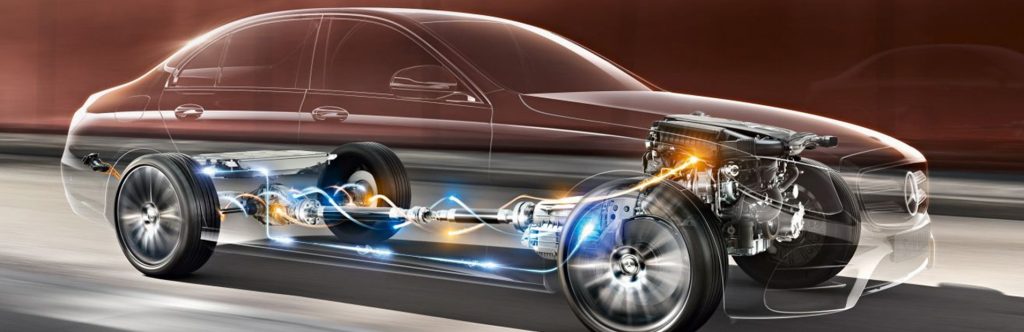
A hybrid car is a type of vehicle that uses more than one means of energy, they have powered by a conventional internal combustion engine (petrol or diesel engine) with an electric propulsion system and a hybrid battery. The two systems work with each other to move the vehicle and allow the car to burn less gasoline, achieving better fuel efficiency than a conventional engine that uses only fuel. The electric motor serves power to boost the performance of the engine. A hybrid car not only reduces CO2 emissions but also allows vehicle drivers to experience a more improved fuel economy than conventional cars.
A hybrid car has a dual battery pack that consists of a high-voltage battery pack and a 12-volt regular battery pack. In a typical car, deceleration typically converts kinetic energy to heat, while a hybrid four-wheeler uses regenerative braking to convert the kinetic energy lost during deceleration into electric power to refuel its battery pack.
what Is Hybrid Cars Operating Mood:

Depending on the driving situation, the operating mode of a hybrid vehicle can changed and shifted between a gasoline engine and an electric motor. Sometimes, it can use both power sources to enhance the vehicle’s performance.
Driving a hybrid car is practically the same as any other normal car. But hybrid vehicles, other than plug-in hybrids, charge the hybrid battery automatically through their own internal system that eliminates the need for an external charging station or concerns about driving range. in addition, Plug-in hybrids are in-between conventional and all-electric vehicles. Therefore, they run on both an electric motor and an internal combustion engine and you can charge its battery by plugging in into an external electrical source.
Brief History Of Hybrid Car:
The hybrid car has a considerably longer history than you might imagine. The hybrid car had developed for the first time in Austria in 1900. Jacob Lohner, a coach builder from Vienna, came up with the idea because he disliked loud, unpleasant diesel-powered cars. He hired a young engineer Ferdinand Porsche for an electric solution. In fact, Porsche developed a wheel-hub motor that could fit within each of the four wheels. To increase the range and power for the car, Porsche installed an internal combustion engine that drove a generator to power the battery. The hybrid vehicle thus created.
At the 1900 Paris Exhibition, the Lohner-Porsche Elektromobil presented the hybrid vehicle to the public for the first time. Unfortunately, it was not well-liked. Then nearly a century later, Toyota manufactured its flagship Prius Hybrid, the world’s first hybrid production vehicle. It was first introduced in Japan in 1997 and elsewhere in the world in 2001.
What Are Hybrid Cars Types:
Now that you know what does hybrid car mean, it is time to understand what’s a hybrid car types available in the market.
1. Mild Hybrids:
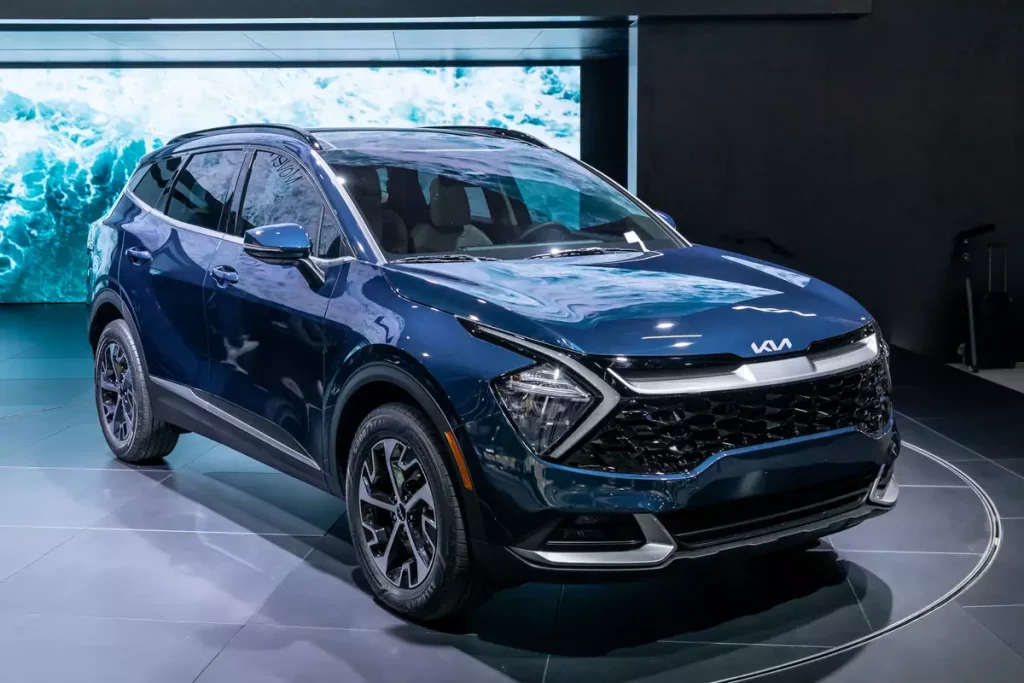
It is the newest innovation in hybrid technology. In this type of hybrid, an electric motor is unable to propel the vehicle on its own. The majority of the work done by conventional gasoline or diesel engine, while an electric motor assists the conventional engine by either increasing performance, decreasing fuel consumption, or both. The new Kia Sportage lineup series now use mild hybrid powertrain options.
2. Full Hybrids:
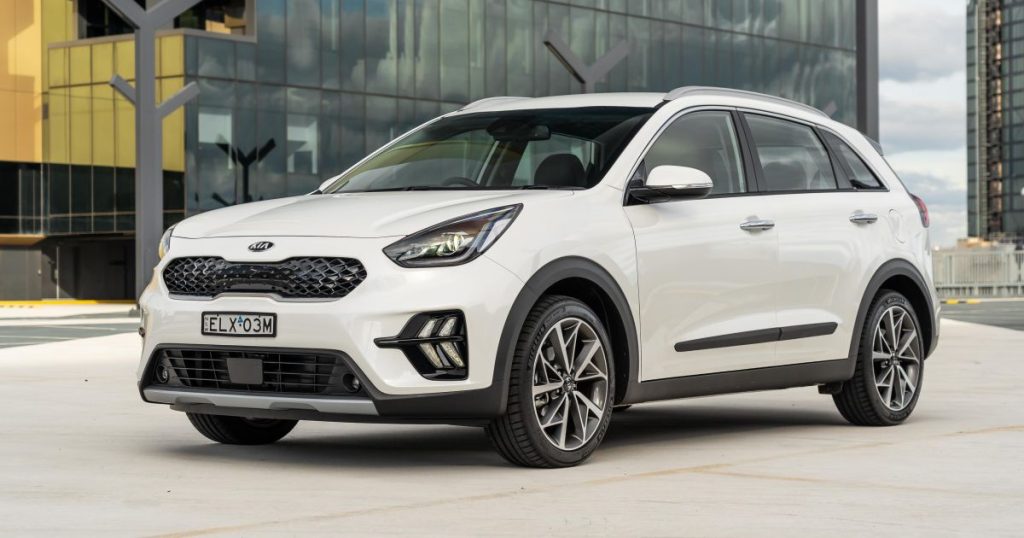
This type of Hybrids supports both electrical components and a conventional engine. In Full Hybrid cars, the electric component can handle more workload than in a mild hybrid car. There are two varieties of full hybrid vehicles: parallel hybrids and series hybrids.
I. Parallel Hybrids:
This is the most common sort of full hybrid, which combine the power of an electric motor and a gasoline engine through a single transmission. The cars are either directly powered by a gas engine, by an electric motor, or by a combination of both. Nero uses a parallel hybrid system.
II. Series Hybrids:
In this hybrid mode, the gasoline engine is not connected to the wheels and is only used to produce electricity for a generator that serves energy to recharge the battery. There is never physical mechanical contact between the engine and the wheels and the electric motor serves to provide all the propulsion. BMW i3 includes a series hybrid powertrain option.
3. Plug-in Hybrid:
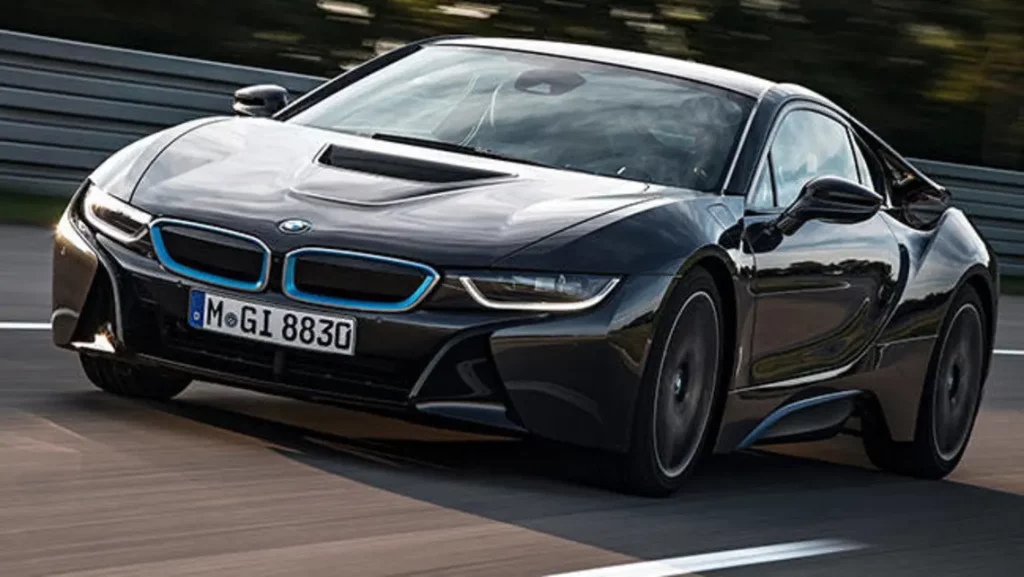
As the name Plug-in Hybrid suggests, this type of hybrid can plugged into an external electrical socket as well as charged while on the road. It is actually in-between traditional hybrids and fully electric vehicles, which means that it has a conventional engine but larger batteries than typical hybrids. A plug-in hybrid is similar to a parallel hybrid system and it contains a larger battery pack that needs to be charged from an outlet that offers to drive from about 15 to 55 miles. Moreover, After all the electric power used up the car reverts to a conventional parallel hybrid. BYD F3DM, Toyota Prius, and BMW i8 are a few examples of plug-in hybrid vehicles.
Why would you purchase a hybrid car?
Why would you buy a hybrid car? when Electric Vehicles (EVs) are now becoming more and more popular and the charging stations of EVs are popping up everywhere. The main reason for this is that hybrid vehicles still have gasoline engines, and any range of issues you might have with an electric vehicle is eliminated. Hybrid vehicles are the only eco-friendly vehicle option that combines the power of petrol engines and the fuel savings of electric motors to give lower emissions without the need to wait for the battery to be charged from an external charging station and many users can also have access to those locations that lack a robust charging infrastructure.