

Overview:
Imagine a scenario you are driving your car at high speed, and you apply brakes and realize that there is a failure of the brake. Such kind of situation can even take a regular car driver off-guard. The brakes in the car are essential safety equipment to slow down the car or even completely stop it. A brake failure is a dangerous situation to be in.
Although! It is advisable to be prepared for such kind of situation. If you are known what to do when the car brakes go out, then you will be able to handle the situation better with your sense. It is always best to insure your car from car insurance companies that can protect you against any accident.
Reasons for the car failure:
There can be several reasons that can interfere with the functioning of the car brake system. Let us take a view at some of them.
- Insufficient brake fluid or grease in the car cylinder. This can happen due to oil leakage of the seal.
- Overheating of a car can be a reason for brake failure.
- Some kind of blockage in the car brake master cylinder.
- Tattered brake pads.
Signs of car Brake failure:
If you notice any sign on the speedometer that indicates a brake failure. By taking note of these signs take remedial action which can save you from a situation of brake failure.
- While accelerating the car a drag went left.
- Air comes into the pedal when the brake is applied.
- You hear a clicking or squeaking sound when you apply the car brakes.
- The car starts moving to one side while you apply the brakes.
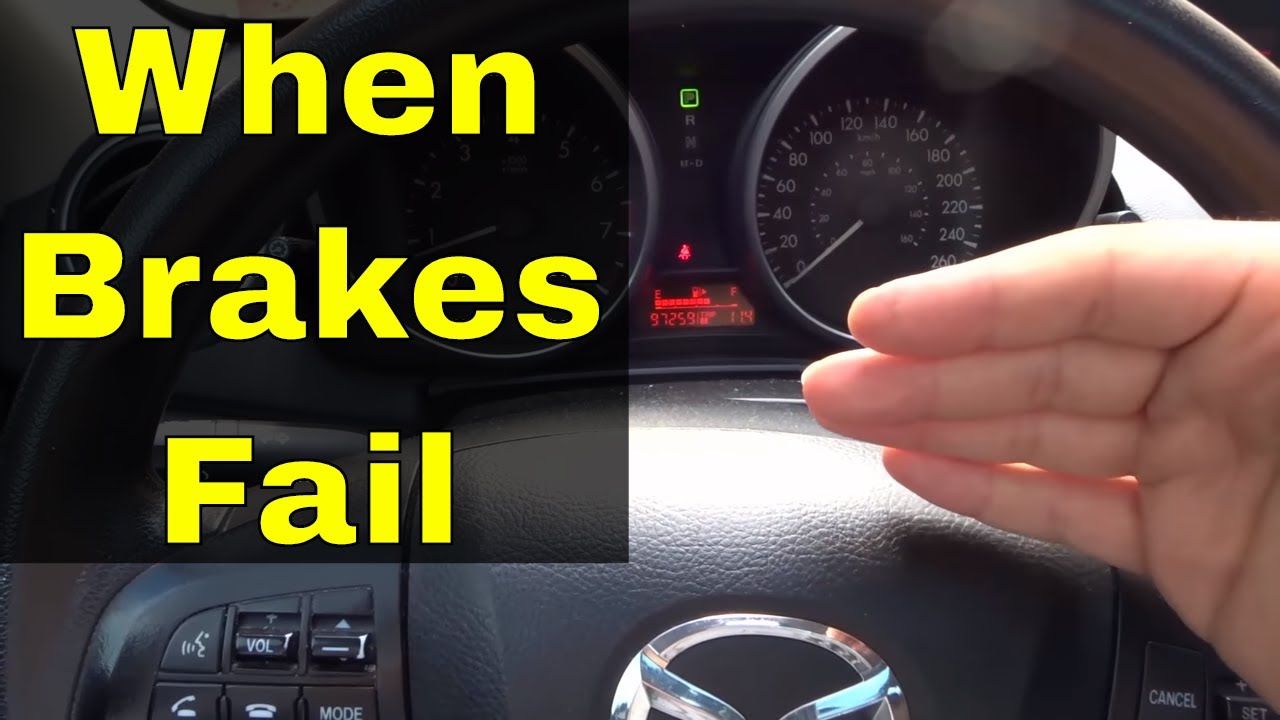
- The lights of the anti-lock braking system on the speedometer will turn on.
Things not to do in this situation:
Don’t Panic:
When such things go wrong, having a clear mind behind the wheel can be very helpful. If your brakes fail, then it is your best strategy to stay calm in this situation and attempt to get your car safely off the road.
Don’t shift to lower gear quickly:

Don’t change gears from 5 to 1 instantly. Doing this can cause the car to skid and that will be an even more difficult situation to take control of.
Don’t turn the car off:

Turning the car off will lock the steering wheel, due to which the power steering will stop working along with engine braking. In this way, u will completely lose control of the car. So, never turn the car engine off before the car stops.
Don’t use emergency brakes rapidly:
Do not apply the emergency brakes rapidly, it can also cause skidding. Emergency brakes should be applied only after you downshift the car gears and pump the brake pedals.
What to do if there is brake failure:
- Turn on the warning lights.
- Try the brakes again.
- Downshift into a lower Gear.
- Safely get off the road.
- Signal for help.
- Call for Roadside Assistance.
1.Turn on the warning lights:

Turning the parking lights on of the car and keep honking to alert other drivers on the road. Let them know that, you are facing some kind of issue in your car. The warning will be helpful to clear the traffic around you and give you some extra space on the road.
2.Try the brakes again:
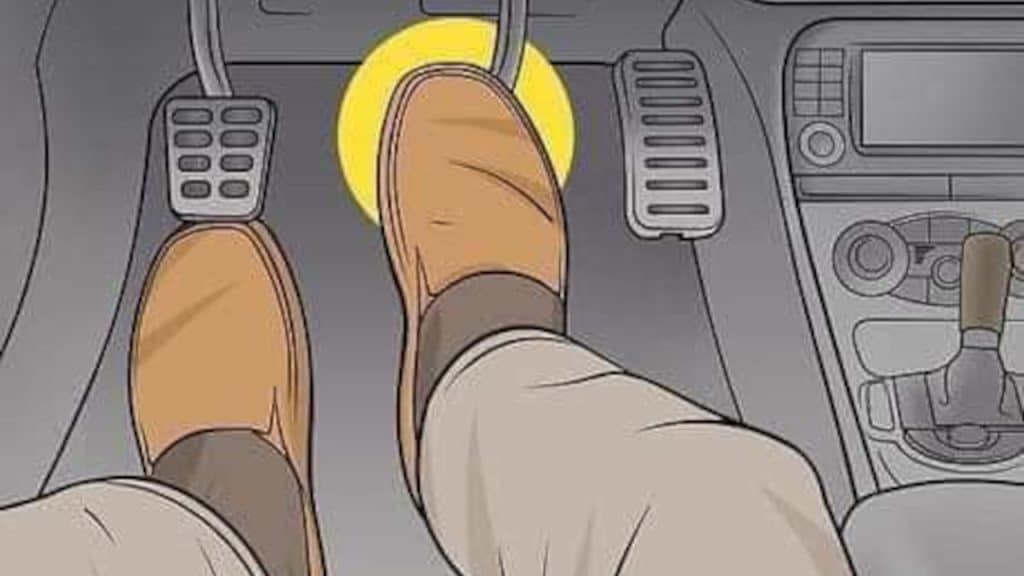
Every vehicle likely has a dual braking system, that controls your front and back brakes independently. Both valves of the car would have to fail to use all braking power.
Still, if you are having the ability that is reduced by half can be enough to make it feel unsafe. But there may still be some stopping power in the car. Try applying strong constantly putting pressure on the pedal to see if you can slow down the car.
3.Downshift into a lower Gear:
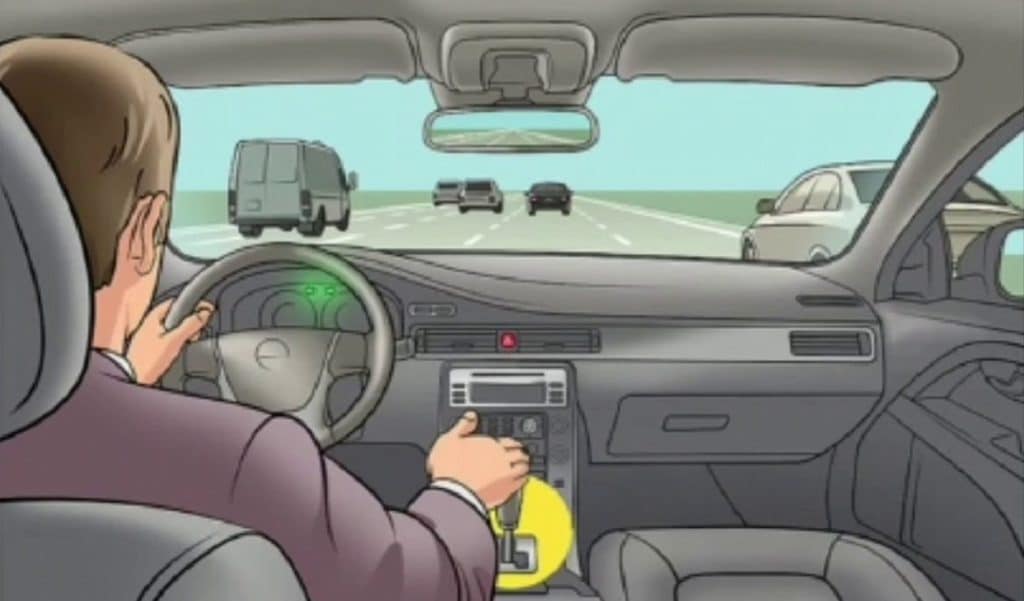
Another way to slow your car down is by keeping your foot off the accelerator and downshifting. So, the engine can help slow down the car. If you have manual transmission work your way down to gears to slow your car down.
On the other side if you have an automatic transmission, then taking off the accelerator should cause your car to shift to lower gear until it slows down and stops.
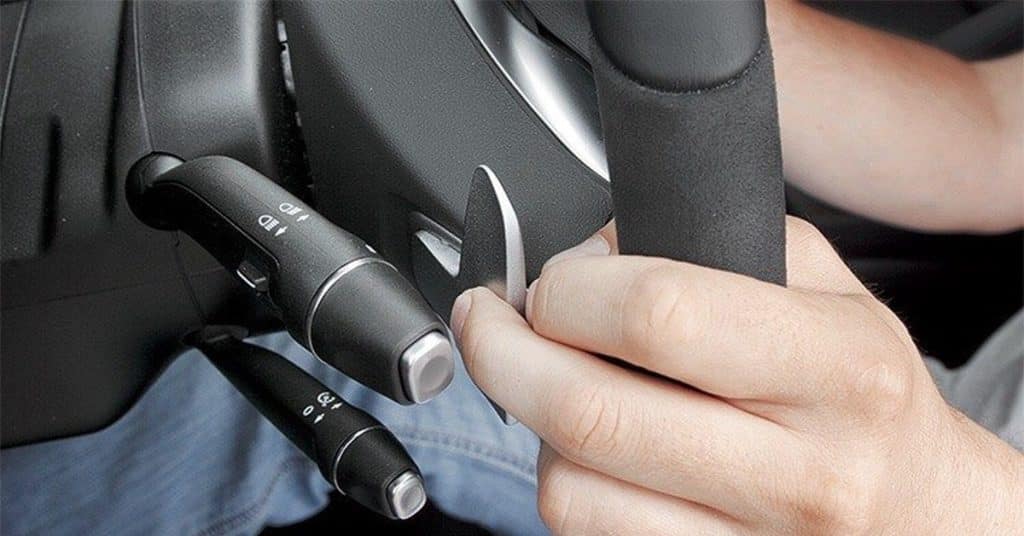


However, in the new models, the cars support automatic transmission that allows you to also drive them manually. You just need to use paddle shifters (if available). These are levers behind the steering wheel of cars that put your transmission into manual mode and downshift to the lowest gear.
4.Safely get off the road:

After slowing down the car, you must get your car off the road to minimize the chances of an accident. If you are on the highway, you will first need to concentrate on getting your car safely into the right lane. Don’t forget to use your turn signals in this kind of situation and pay attention to the surrounding traffic.
As you get to the slow lane, move into it and turn on your hazard lights. Remember to steer around any possible hazard, or use your car lights and horn to alert other motorists.
Move from the fast lane into a slower lane and then shift into neutral. Use your emergency or parking brakes to slow down your car, but always be aware to leave them when your car starts to skid.
5.Signal for help:
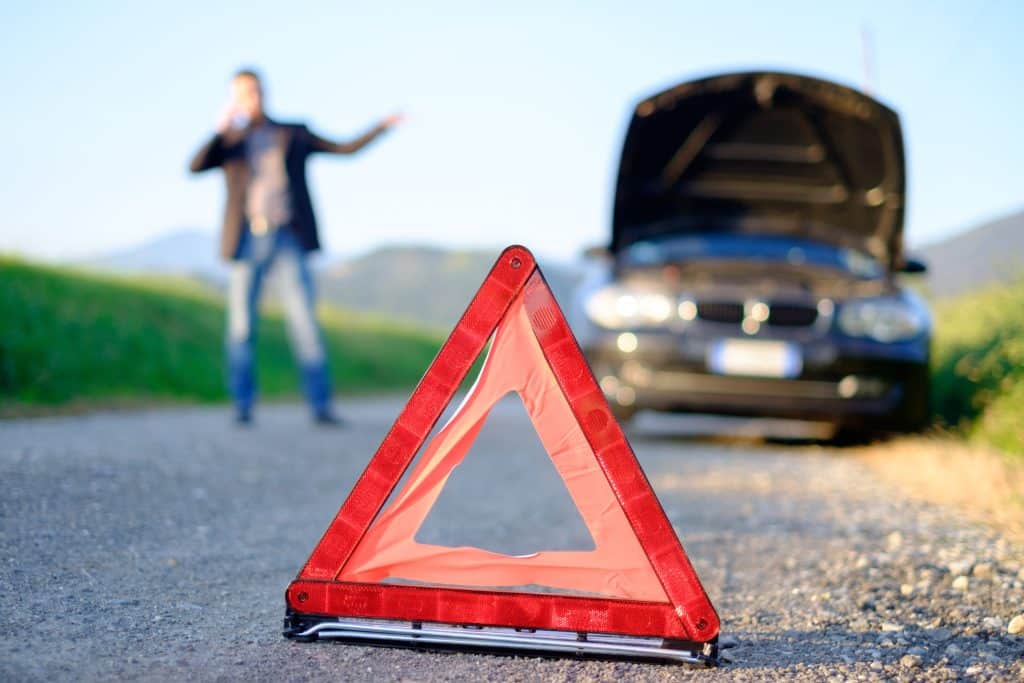
You may need some assistance when your car is safely off the road. Make it obvious that you need help y raising your car hood and keeping your hazard lights on. It is important to stay out of oncoming traffic. Also, avoid standing next to or behind your car if you can.
6.Call for Roadside Assistance:
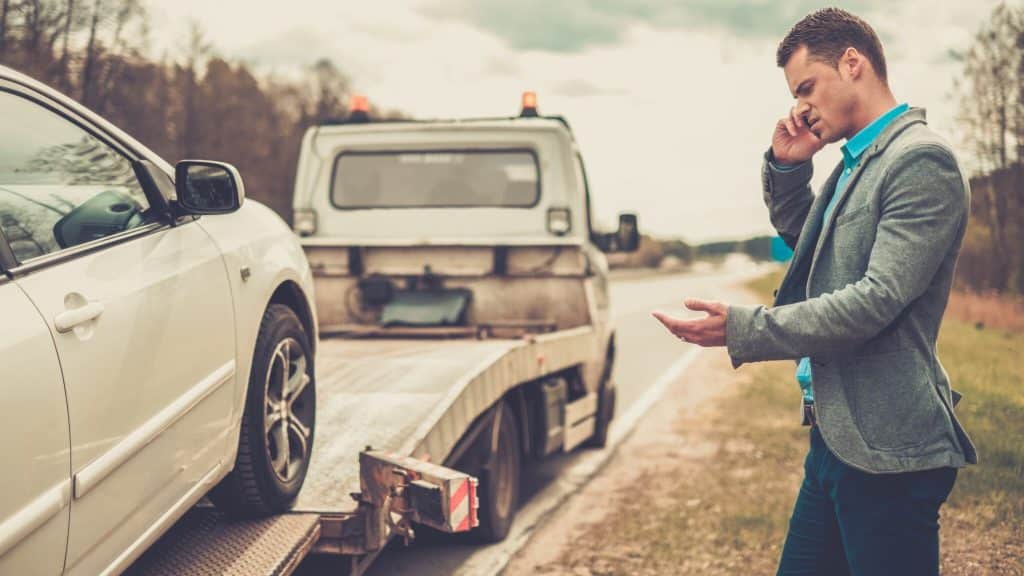
Once you have managed to stop your car, call for roadside assistance if you have included the add-on in your car insurance. The car insurance company will also provide towing service and will take care of as well as arrange for a driver to drive you to your destination.
Conclusion:
Stay calm and follow the above-mentioned tips if you ever get into this kind of situation of brake failure. Remember “Prevention is much better than cure” keep a close watch on the responsiveness of your car brakes.
You might also like: 7 Simple Steps To Clean Your Car Leather Seats