
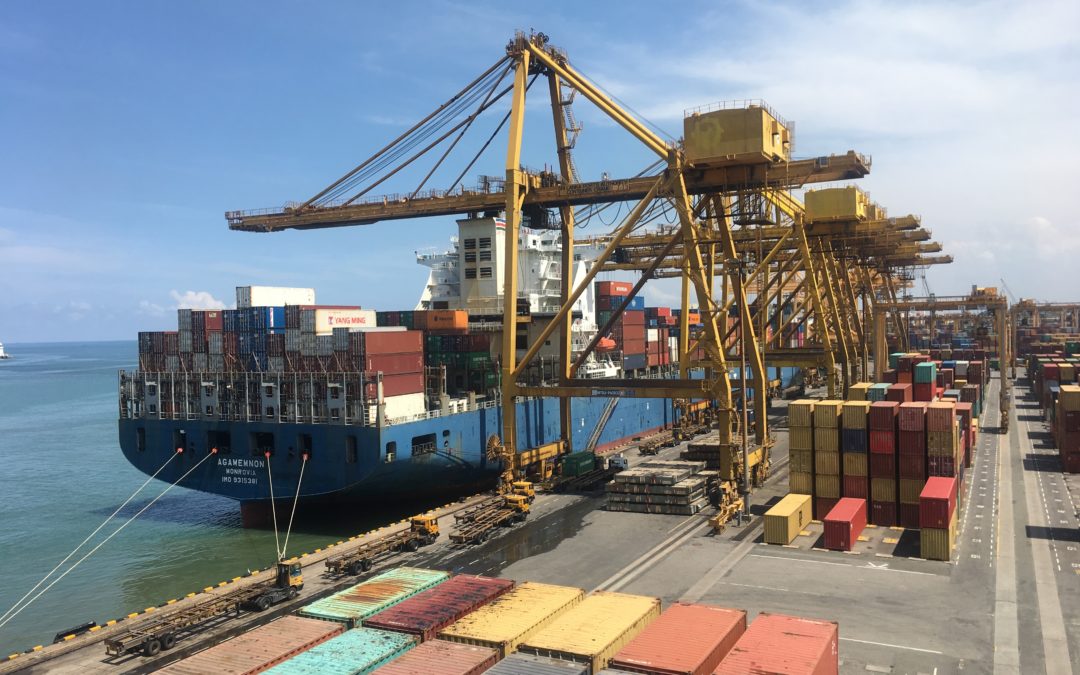
The government is considering to raised regulatory and additional customs duties up to 100% on imported goods. This step is part of government policy to overcome the volatility, and instability in Pakistan. According to sources in the media, the present government is working on a revised plan to cut monthly import bills by approximately $1 billion via increasing RD to 100%.
Federal Board of Revenue (FBR) Suggestion:

The Federal Board of Revenue (FBR) and the Ministry of Commerce made proposal. They give suggestions at a meeting led by Finance Minister Miftah Ismail to discuss the possibilities reviews. Authorities told the president that these actions might save the government $1 billion on its monthly import cost. Besides Cars and tyres, Consumer products, home appliances, power generation machinery, general machinery, steel products, ceramics, polypropylene, and mobile phones have all been proposed for higher regulatory and customs taxes.
Regulatory Duties on Cars and Tyres:


FBR suggested increasing the up to 100% regulatory duty and 30% additional customs duty on 1000cc cars. The current regulatory duty on import tyres is 20%. The government could increase regulatory duty on import tyres by 50%. In Addition, the Regulatory Duty on import home appliances increased by up to 50%, whereas machinery importers will face a 10% surcharge.
On the current rates, a 35 percent Additional Custom Duty has also recommended. More, these are merely suggestions right now. However, given the current state of the economy, the government is likely to approve these recommendations in the upcoming fiscal budget.
Implementation of Regulatory Taxes:

Prime Minister Shehbaz Sharif’s assent is required for the proposed regulatory and additional customs taxes to take effect. Before implementing these measures, the Federal Government will endeavor to gain support from the International Monetary Fund (IMF).
Furthermore, If the government approves these proposals, it will benefit car manufacturers who assemble vehicles locally. Meanwhile, companies that buy imported units, such as MG and Haval, will have a hard time competing in the local market.