

Overview
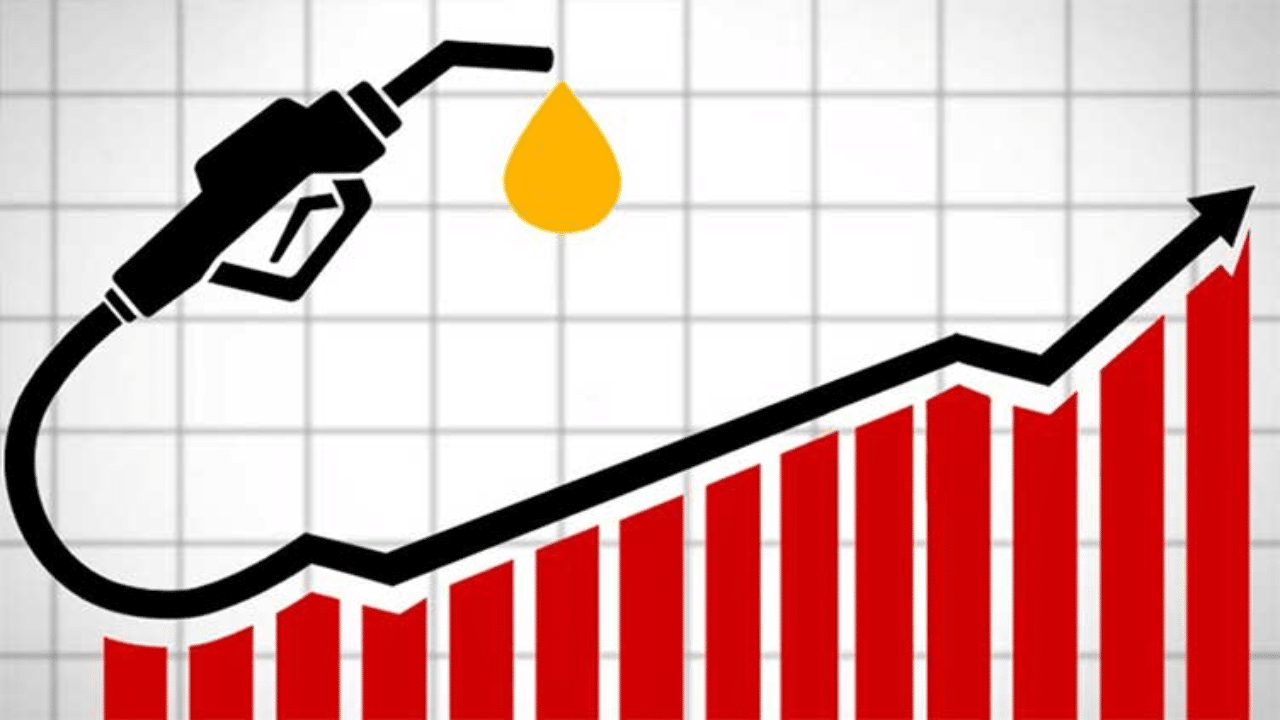
In order to reach its budgetary goals under a deal with the International Monetary Fund (IMF). Pakistan announced on Tuesday a rise in the price of diesel and petrol. Further escalating the country’s already alarming inflation.
The government was supposed to publish new rates on July 31 but instead chose to maintain or lower the existing rates in order to minimize the impact of the price increase on citizens who were already weary of inflation.
New Prices
- For the following two weeks, the price of petrol raised to Rs 272.95 per liter.
- Ishaq Dar claims that the IMF’s requirements bind the government.
- The new prices are now valid right away.
Finance Minister Statement
Finance Minister Ishaq Dar announced in a video statement that the price of petrol, would rise by 19.95 Pakistani rupees to 272.95 per liter and the price of diesel would rise by 19.90 rupees to 273.40 rupees per liter, representing an increase of 7.8% both fuels.
We made an effort to either decrease or determine what may be changed to improve its operation. But everyone is aware of our agreements we have with the IMF about the petroleum development levy, said Dar.
According to the finance minister, if the government hadn’t reached a deal with the IMF, it would have cut the PDL to provide the general public relief.
He claimed that after eight months of negotiations over tough fiscal discipline measures, the country is not in a position to walk away from the IMF standby agreement, which was finalized on June 30.
“You all know the international commitments we have with the IMF regarding the petroleum levy,” he remarked, pointing out that the hike might not have been as large in the absence of the pledges.
Conclusion
The ruling government ends on August 12 and this is the last time it has adjusted the fuel prices. The cost of living and transportation for people will surely be affect by the rise in oil prices. The government must make sure that the additional funds brought in by this price rise are useful effectively to fund public services, support public initiatives, and provide targeted aid to people who are struggling financially.