
If we have a look over Pakistan Auto Mobile industry then we can see that there are 3 auto manufacturing which had their monopoly in this market for a long time. Those are Honda, Toyota while the third one is Suzuki. Honda Is offering Civic and City. Toyota, however, was bringing innovation in its vehicle but with limited models i.e., Toyota Corolla and Toyota Fortuner. But where Toyota is offering Fortuner in the same place unfortunately Suzuki was not playing its part as it should. They are offering Suzuki Ravi (Pickup), Suzuki Bolan (Commercial Van) and Suzuki Mehran (Hatch Back), and Suzuki Cultus. They are producing these vehicles for about 30 years but there was no innovation in these, the biggest change which they brought was the Tail Lights and front grille. We can see that they have brought this much innovation to these vehicles. Their engineers thought that the vehicle is a thing that should be able to carry four passengers in a closed box, that’s all. They never brought any innovation in safety, comfort, and performance.
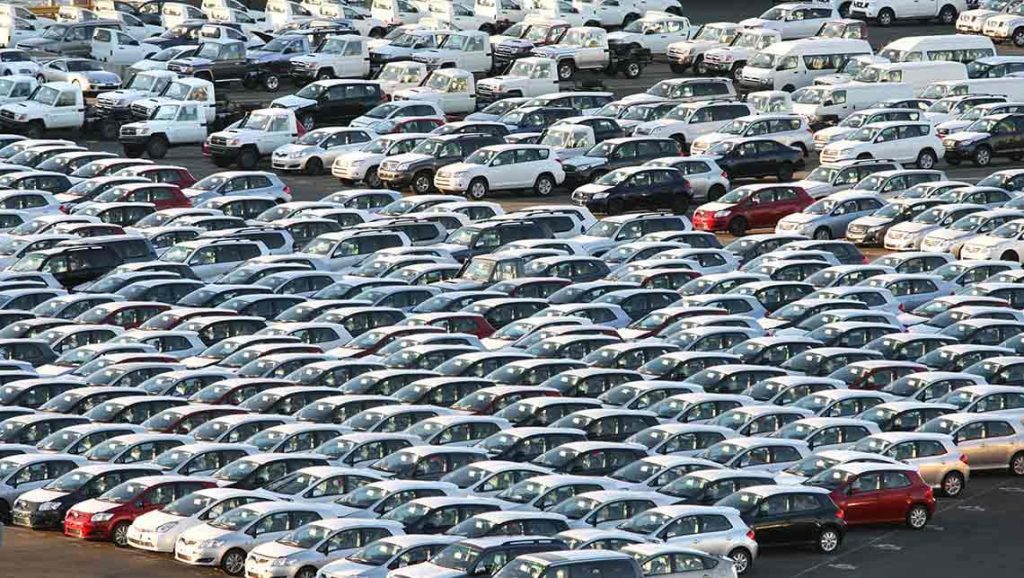
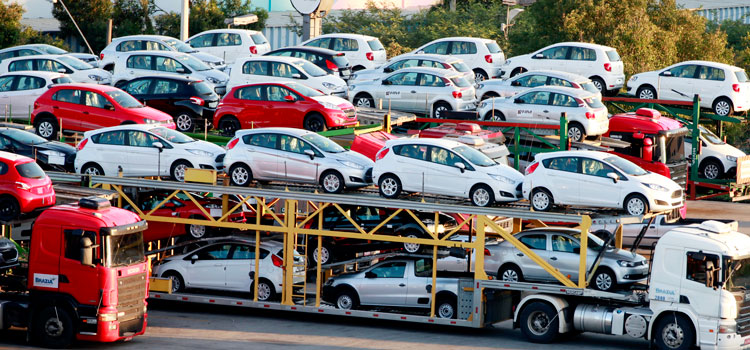
Any person who is going to invest a handsome amount in buying the vehicle wants something against the cash he is going to spend. He wants safety for himself and his family, comfort while traveling, and performance while driving. But unfortunately, local manufacturers were not fulfilling the basic vehicle needs of a person. This is the reason that all vehicle users and buyers gradually moved towards imported vehicles.
Numbers
We can see that people prefer imported vehicle over the locally manufactured. Initially, the number of imported vehicles was not much higher, but in the year 2021, they touched 5 digits which are 10,520. This is the highest number of imported vehicles as compared to the past. We can see that in 2018 number of units imported were around 7,400 while in 2019 it came down to 3,716 due to new import policies while in 2020 the number of vehicles import was 1,680 that was because of Covid-19 when the whole world was shut down and there was no shipping company working. Along with these cars and jeeps which petrol, diesel, and hybrid fuel, there were also 390 new electric cars, and 19 used electric cars were imported. These numbers include cars, jeeps, vans, pickups, and buses.
Amount Spent
If we talk about the cash which was spent on the import of these vehicles then we can see that the overall amount spent was around 2 billion USD for CKD and SKD units, it includes around 1.6 billion USD which were paid for Bikes and heavy vehicles in 2021 which was previously 727 million USD in 2020 and 386 million USD were spent to import used and new vehicles which were previously 219 million USD in 2020.
In the first two months of the fiscal year, 2021-2022 the import of CKD units was increased to 369 million USD from the last year which was 117 million USD in the same period. It increased 214% as compared to the previous year. While growth in import of CBU was 118% which is 103 million USD as compared to 47 million USD in last year.
Vehicle import by new and old manufacturers has increased as existing manufacturers have also imported vehicles in Pakistan. Market sources said that the new MG HS has beat the market by delivering 7,000 CBU in Pakistan while 1,000 units are still parked at the port.
Sources said that the newly entered vehicle manufacturers were allowed to import 100 units of a variant to Pakistan for testing purposes.
Reason Behind
The main reason behind the import deficit is that Pakistan has had obsolete vehicle manufacturing technology for the last 30 years i.e., in the case of Suzuki Mehran, and new entrants are also importing vehicles parts instead of manufacturing here due to high costs.
Due to new vehicle financial rules set by the government will now reduce the number of imported vehicles in Pakistan. But I am afraid that the low-income end user will again fall into the pit of low-quality and bad performance vehicles. New entrants are bringing CBU units in Pakistan and those are very expensive, I think we need to bring innovation in the manufacturing process to improve the quality of the vehicles and to reduce the cost of manufacturing for locally assembled vehicles because now we will be more dependent on locally assembled vehicles.