
Being a fossil fuel, gasoline is not a renewable source of energy and is likely to finish in the future. Due to the shortage of Fuel in the market and high fuel prices, people are moving towards electric vehicles in large numbers as an alternative source to sustain development. With this dilemma, European countries intend to prohibit the sale of new gasoline and diesel vehicles from 2035, therefore automakers have turned their attention to battery-electric technology. However, several manufacturers are looking into alternate powertrains, with hydrogen-powered cars being marketed as another clean mode of transportation. Let’s take a look on the growth of Hydrogen Fuel Cell Car in the world.
Hydrogen Fuel Cell Car:

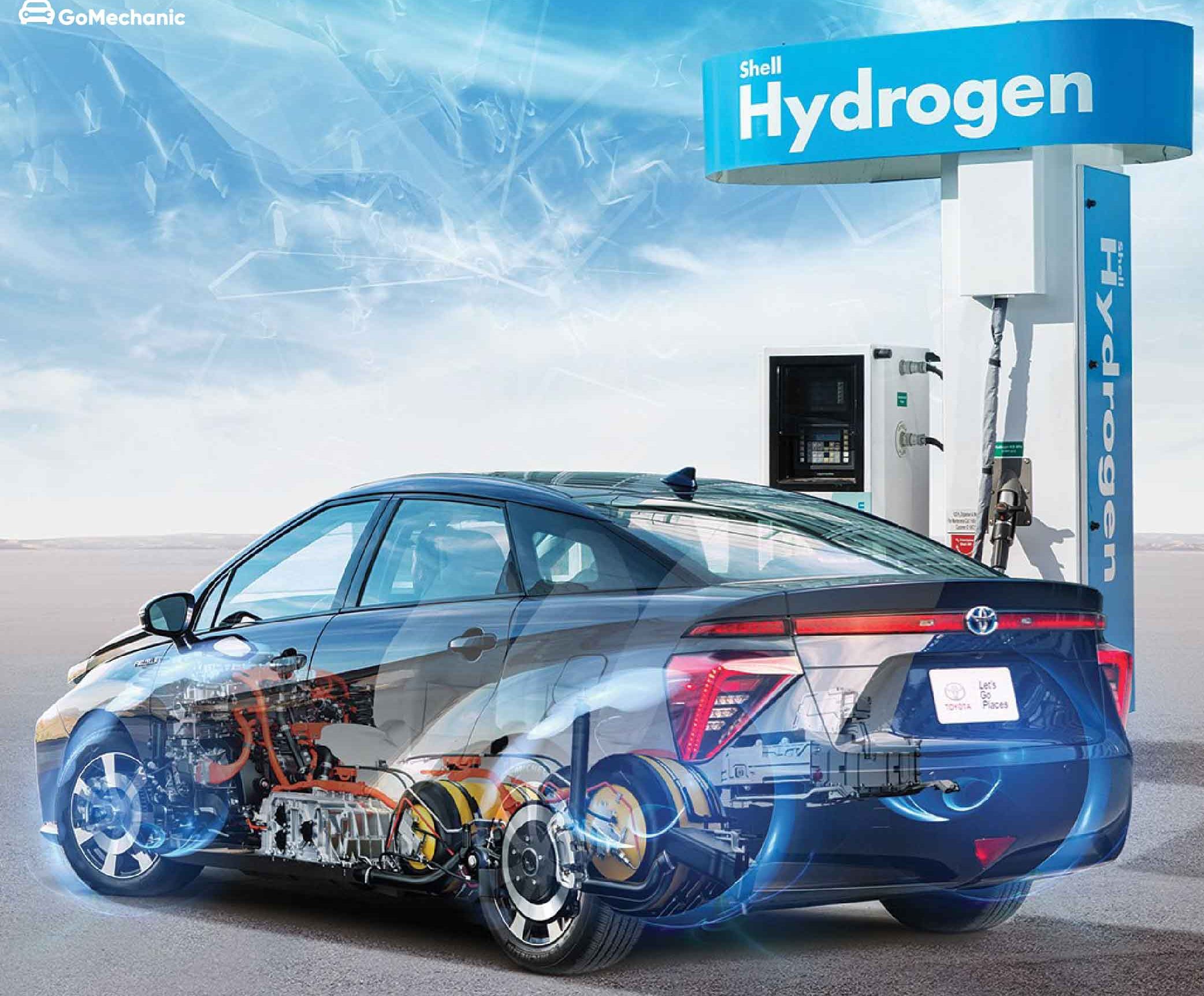
Hydrogen fuel cell cars are a type of electric vehicle that uses fuel cells to power the electric motor. The fuel cells have powered by oxygen in the air and compressed hydrogen. Hydrogen Fuel Cell car is more energy-efficient than vehicles with conventional internal combustion engines and does not generate any harmful tailpipe emissions and other harmful pollutants. A hydrogen car is very similar to filling it up with petrol or diesel, it also almost takes around 5 minutes to fill a tank. Moreover, it is undoubtedly a benefit over the long waiting when charging an electric car.
Hydrogen Fuel Cell Car Market:
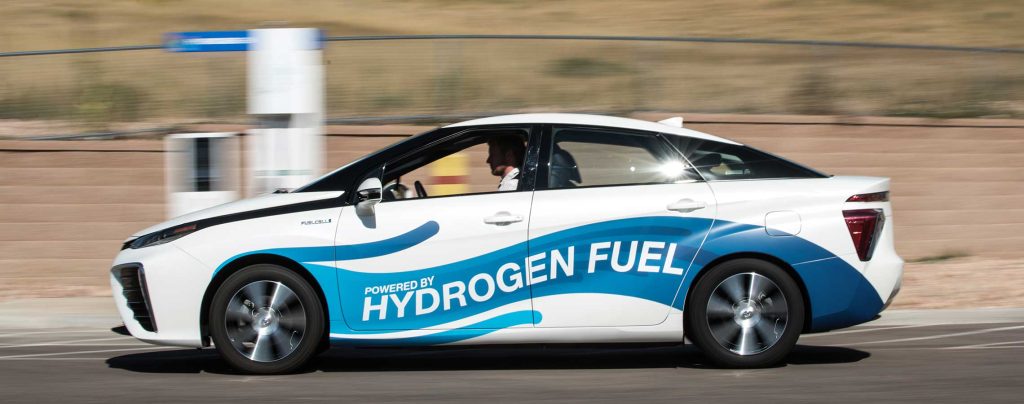
The market for hydrogen fuel cell cars is growing rapidly. Now two mainstream hydrogen-powered cars are on sale that has produced by the Toyota Mirai and Hyundai Nexo. But many other manufacturers like BMW, Land Rover, and Vauxhall are all planning for new hydrogen-powered passenger and commercial vehicles in the next five years.
Currently, there are only a few hydrogen stations operating globally for the hydrogen fuel cell car, however, the lack of existing infrastructure is one of the main reasons for the slow adoption of hydrogen vehicles. This is clearly far less than the numerous petrol stations and EV charge points, but more hydrogen-filling stations are likely to be built soon.
Development of Hydrogen Fuel Infrastructure:

European government planned funds for the development of Hydrogen Fuel infrastructures. The government has made a high initial investment in infrastructure to meet the target of 1.5 million zero-emission vehicles by 2025. The development of infrastructures helps to drive the growth of the hydrogen fuel cell vehicle market. Hydrogen Fuel Cell cars are 60 to 70 percent more efficient than ICE and electric vehicles. So, the factor boosting the need for fuel-efficient vehicles due to the high petrol prices. These factors also increase the demand for hydrogen fuel cell cars for travel in the future.