

Overview:
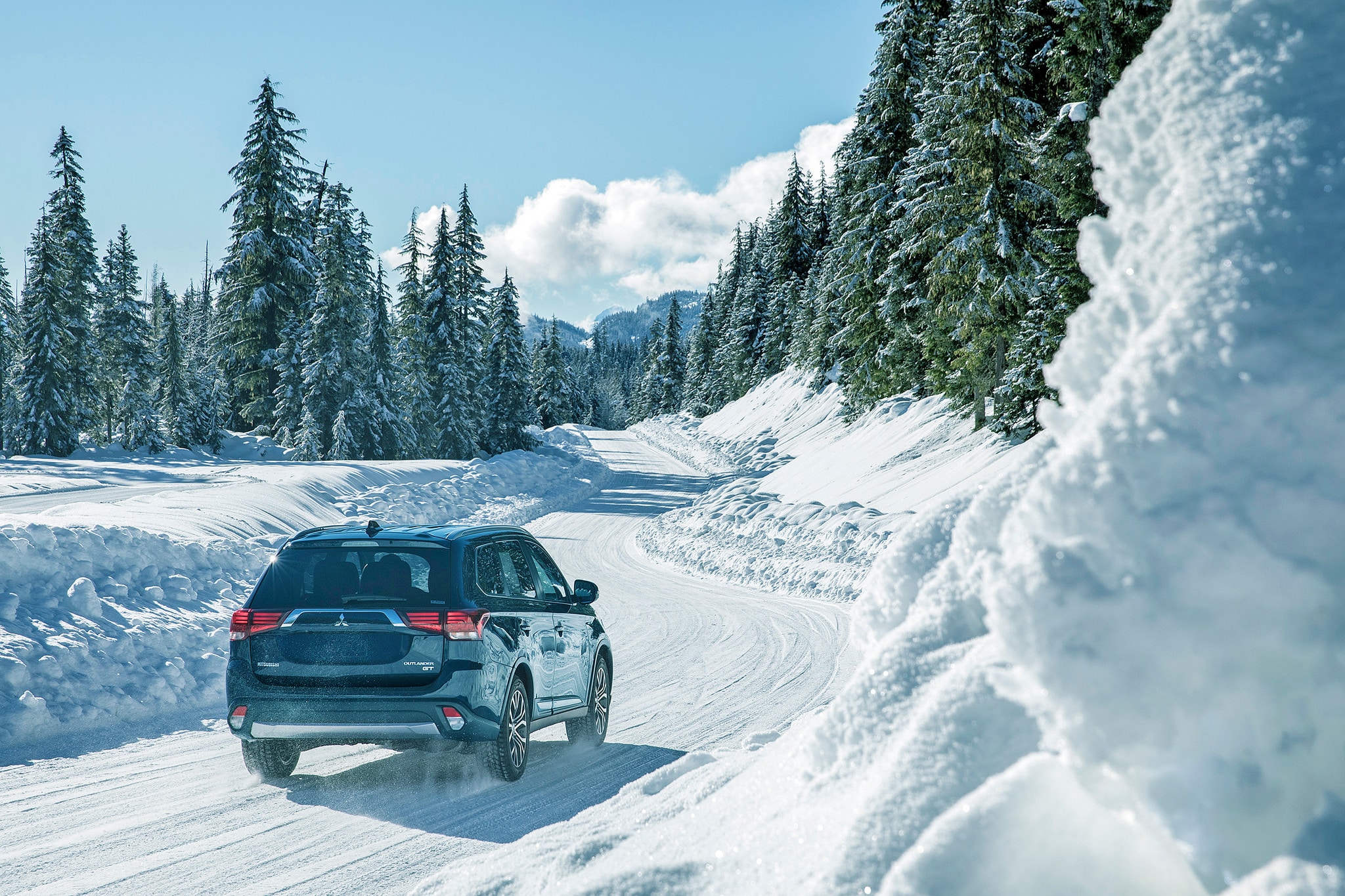
Traveling in Snow is full of adventure, challenging and hazardous. Drivers may experience lengthy delays or perhaps become stranded in dangerous circumstances. Wet and covered with snow roads have almost no grip, and it is advisable to drive on these roads safely. However, the best advice is not to travel in a storm. But If it is necessary here are some tips for traveling in snow-covered areas.
Detailed vehicle inspection:
Get your car detailed checked by a mechanic to fully ensure the following:

- The battery of the vehicle must have sufficient Power.
- Make sure the Radiator is fully functioning.
- The Engine is in good condition.
- Windscreen wipers and washers are properly functioning.
- The Defogger is functional.
- The alternator and other electronics are working well.
Emergency Kit:

Travelers must carry emergency kits with them that include a torch, a tow rope, a shovel, plastic scrapers, a water bottle, blankets, food supplies, and a first aid kit.
While traveling to a cold area, it is wise to use 5w30 multi-viscosity engine oil because the low viscosity of the engine oil allows it to flow through the engine more quickly.
The low viscosity of the engine oil ensures its proper lubrication and much smooth running in intensely cold weather. Also, the owners of old cars should use anti-freezes or some special coolants in extreme weather conditions. On the other side, modern Automotives can keep coolants from freezing. The old car lacks the ability and it can thoroughly damage the cooling system.
Snow Chain:

The roads are slippery and it is important to have vehicles with snow tires and snow chains. Snow chains are the ring of chains that are strapped on the tyres for extra grip on slippery roads. The snow chains are mostly required for 2-wheel drive vehicles. An all-wheel drive or four-wheel drive with a new set of snow tyres and a proper traction control system does not require snow chains.
The tyre manufacturers advise that vehicles with radical tyres must not be driven under 45km/H well fitted with chains. Also, the drivers should check the tension on chains every 200m and should remove it once the road condition is good.
Driving in Snow:
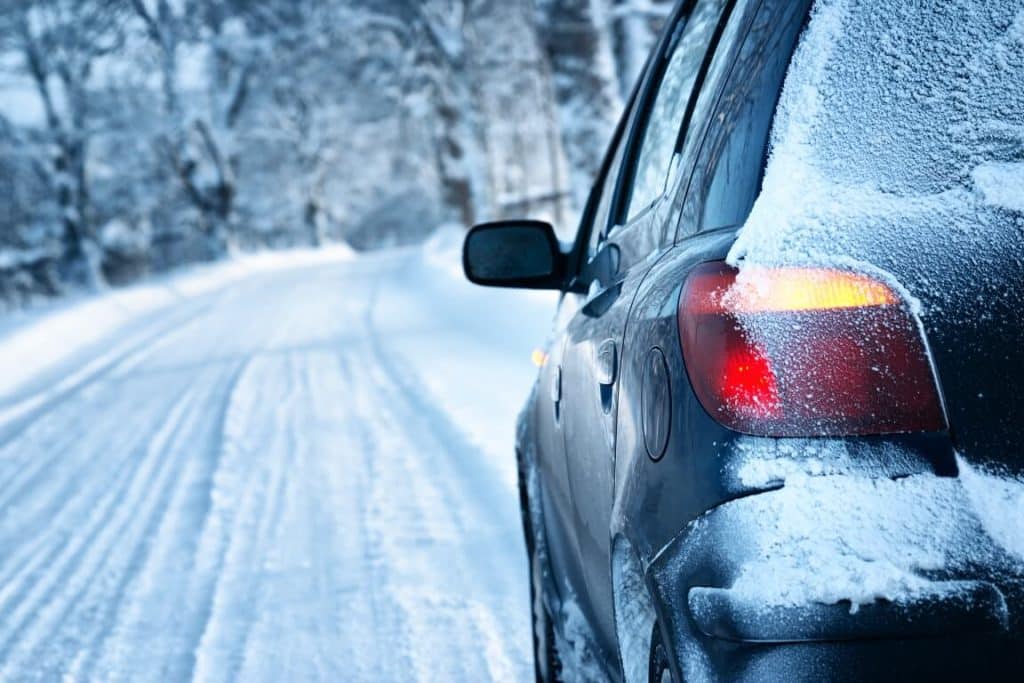
The moderate use of brakes and throttle and steering is the main key. The vehicle drivers should slow down the vehicle in the snow to navigate in poor visibility and grip level because of sudden braking.
It is much better to drive slowly and use fog lights and headlights to have a clear line of sight. Even though it can be challenging to watch out for detours, crossroads, curbs, potholes, wildlife, pedestrians, and even other vehicles in snowfall, it can be done if you drive slowly and carefully.
Parking:

It is always recommended to avoid using the handbrakes while parking. The intense snow can easily freeze the brake cables and lining, which can lead to the failure of the entire brake system. It is always advisable to use a wheel chock or you should leave the vehicle in gear while parked. If the situation becomes worse it would be helpful to fit the tyres of a parked car with snow chains.
Once the vehicle is parked, the wipers of the vehicle should be elevated to save them from freezing on the windscreen. Moreover, it is much more important to keep clearing the snow off the windscreen using any plastic scraper or lukewarm water after every few hours. This should save it from getting damaged by heavy snow.
You might also like: Simple And Easy Steps To Clean Car Air Vents