


Overview:
If you are wondering to buy a new car, it is much important to know how to check it thoroughly for accident damage. Assessing the vehicle’s past damage will help you determine the real value of the car and detect the problems which could result. Just by physically examining the used car and getting its report history report. You can do your diligence and hopefully, you will walk away with the car.
Method 1: Checking the Car for Physical damage:
-
Check for Bumper and Fender for cracks:
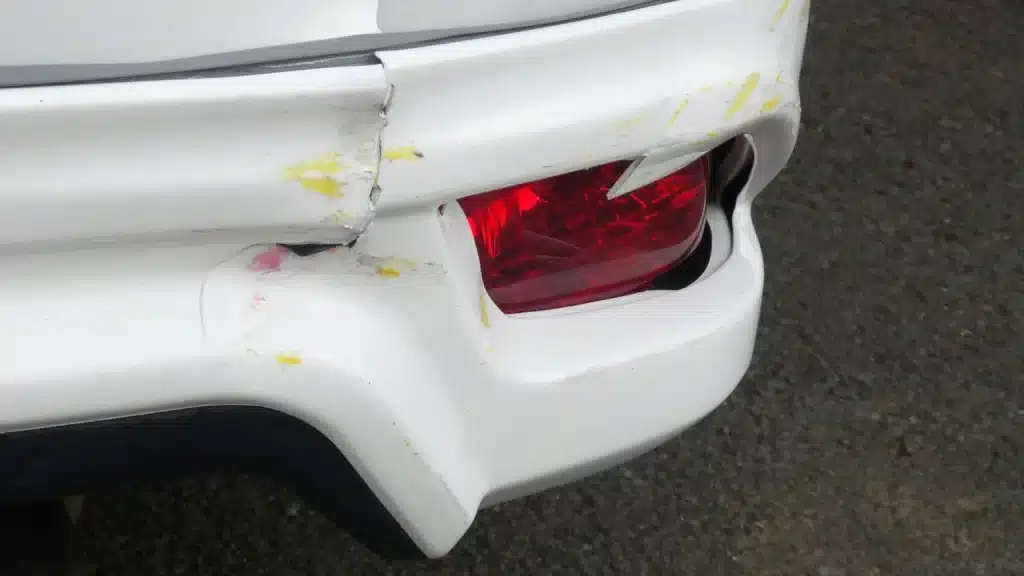
Detail examines both ends of the vehicle and looks for any crack or patch areas. Fenders and Bumpers of the car easily break in a collision because they are often made of lightweight or composite material.
Run your hands along the vehicle to check for cracks, dents, and other kinds of damage. The breakage and repair to the fenders and bumpers are good indicators of further vehicle accident damage.
-
Assess the Car’s body lines to check for parts replacement:
By looking along the main line down the side of the car’s body. That line should be straight and even the car’s paint should reflect normally. If there is an uneven line or a warped reflection, the car’s body panels have likely been changed or repaired owing to body damage.
While different panels of the car didn’t necessarily mean that the car is in bad shape. However, it does let you know that the car has been worked on before.
-
Examine the door panel and Gaps to see the gap:

Look for the gap between each door and the adjoining body panel. The gaps in the panel should be straight and have constant width from top to bottom. A car that has been in auto accident damage will have uneven gaps due to misalignment or replaced panels or doors.
-
Look if the car has been painted:

Take a closer look along the edges of the car doors and body panels for any nicks, scratches, or uneven paint areas. The Signs of different color paint mean that the car has been repainted after an accident. A door or panel of the car was replaced and repainted to match the rest of the car’s color.
Fresh paint on the car might have a different texture than an older paint job. Signs of sanding during the repair of the car might also be visible through the paint, so always look for the sanded areas when you inspect the paint.
-
Inspect the underbody of the car to check for damage:
Using a flashlight slide yourself under the car to inspect the undercarriage for any damage. Shine the light on every part of the underside of the car, checking for excessive salt buildup, and checking for rust or a bent chassis.

- Run your hand along the underside of the car to feel any dent or rust.
-
Have a mechanic check the car before buying:
The VIN report may come back clean but the car itself has been repaired at some of the points. The repair was not partially covered by insurance; it was paid for out of pocket. Go to your legal mechanic and demand a full body inspection. The mechanic will do a detailed inspection of the exhaust system, brakes, steering wheel, and suspension.
Method 2: Obtaining vehicle history report:
-
Obtain the Car’s vehicle identification number:
Always check for the vehicle’s identification number to see if it was ever stolen, flood-damaged, or recalled. A VIN of the vehicle has 17 characters and is made up of both numbers and Capital letters.
The VIN is mostly located on the dashboard on the driver’s side of the car. The individual can view and easily read it by standing outside the vehicle and looking at the driver’s side of the dashboard.
You can verify the auction sheet of the car from Autodeals which will help you examine the overall condition of the car.
Moreover, if you are finding it hard to get the VIN on the dashboard, open the door of the driver’s side and look where the door of the vehicle latches when it’s closed. The Vehicle identification number should be displayed there.
-
Go to Autodeals, My Auction sheet, and Autodeals Japan to type in the car’s VIN:
These three are well-known companies that provide car history reports. The search bar to type in the VIN is front and center when you visit these websites.
After typing the VIN, you will get the overall report from over the years.


- Go to Autodeals and type in the VIN you will get the report that covers everything from major accidents to flood damage.
- Type My Auction sheet on the internet the main page will be opened and type in the VIN. You will find up-to-date information on the car’s condition.
- Use Autodeals Japan to get the vehicle’s information. You will find all the information on the history of the vehicle.
-
Look for Accidental history, Mileage, and work done on the Car:
It is important to use the vehicle’s history report to see if the car has been ever damaged or repainted, how long it’s been running on the roads, and other helpful information. On the vehicle history report, you can see every oil change inspection and accident the car has been through.
Conclusion:
Remember reselling a vehicle with an accident history will be much more difficult. Moreover, the depreciation on that will be quite high, always expect to take a hit on the sale price of the car.
You might also like: Safety Tips: What To Do When Your Car Brakes Fail