

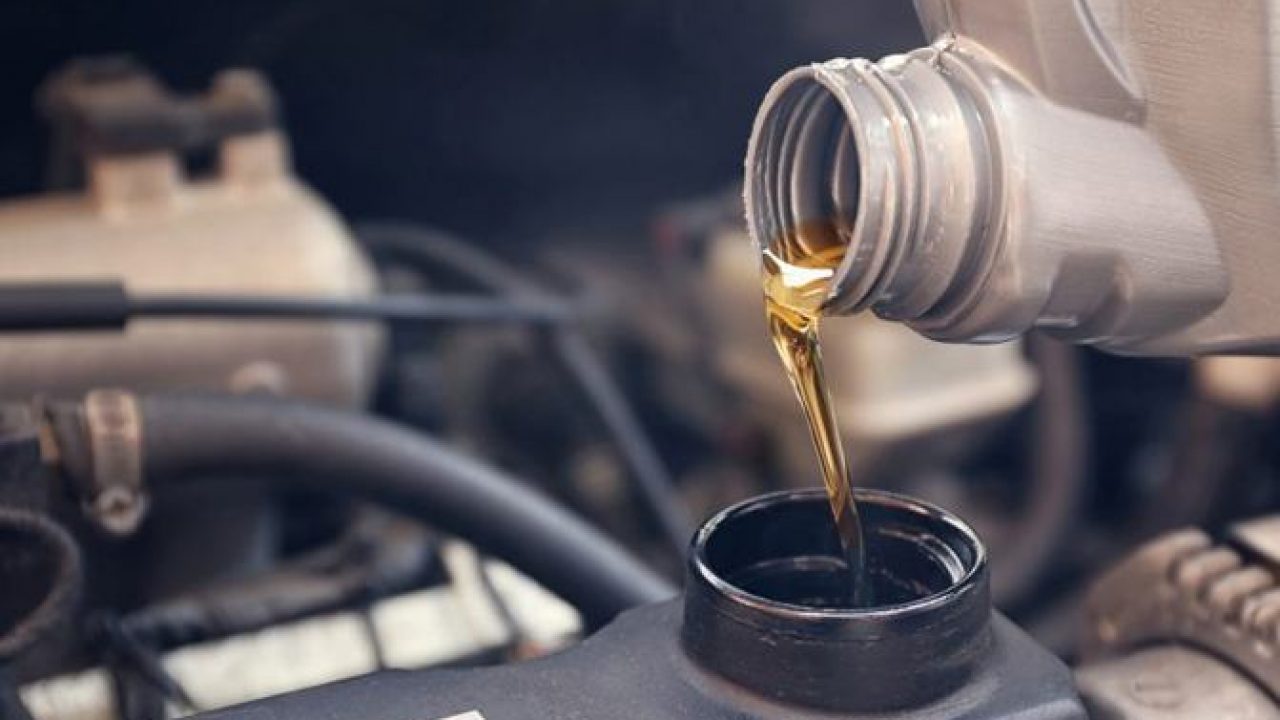
The engine is the powerhouse of a vehicle. If your engine is not working properly then the vehicle will be of no use and you will not be able to get the proper benefit of the vehicle. A person buys a vehicle to travel and traveling depends on vehicle power and the power is produced with the engine but if the engine is not working properly then the vehicle will not be able to move at its maximum capacity.
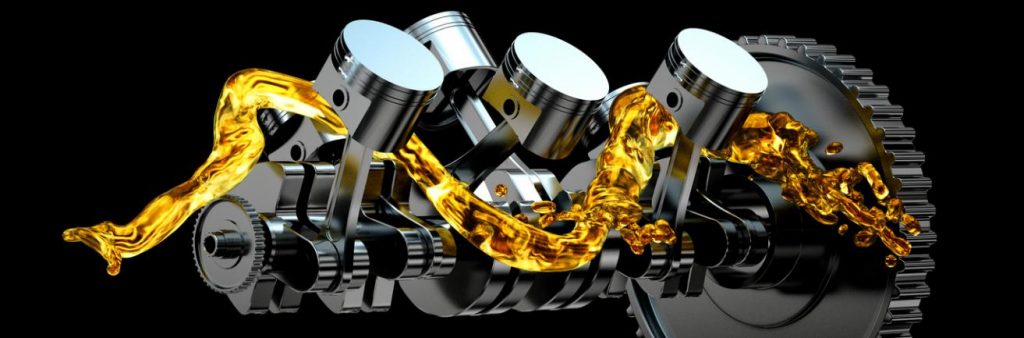
If someone wants the engine of his vehicle more efficiently and effectively then he must have to take good care of the engine. The engine can be kept in perfect condition after its proper maintenance and care. If we take the example of a human being then the engine is its stomach and we can see that if we will not take proper food then the stomach will be disturbed and we will not be able to get proper energy to perform our daily tasks. same in the case of the vehicle engine. If it will not take the best engine oil then it will not perform on that capacity at which it should be.
Working of Engine Oil
Engine oil works as a friction-reducing agent and also as a cleaning agent. If we check the engine oil even after 50 kilometers drive then we will see that the engine oil has changed its color. It is not because it is burnt but it is because the oil has cleaned the engine and it has consumed all residues produced in the engine after burning of fuel.

This is the reason that we need to choose the engine oil very carefully just according to our vehicle, fuel type, and working pressure over the engine. Below are some key points which we must need to keep in mind while choosing an engine oil for our vehicle.
Car Manufacturer and Year
We need to keep in mind the manufacturer and manufacturing year of the vehicle. Because newer engines are more upgraded than the old ones and are manufactured to work with more efficiency and power. Older engines oils were manufactured for old engines and we cannot use those oils in newer engines as their formulation will not meet the requirement of new fast, efficient, and high-performance engines.
Driving Conditions
Driving conditions are the second most important thing while choosing the engine oil for your car. Every engine oil is not formulated for every season and every environment. It is also considered that whether you are living in a cold area or a hot area. It also needs to be bethink that what are your normal driving terrains i.e., whether you are using plain roads or bumpy roads on daily basis. These things need to be kept in mind, because, due to conditions and your routine, your daily routine determines the stress you are putting in the engine of your daily use vehicle. Some oils are formulated to use in hot weather while some are designed to be used in cold weather.

Types of Engine Oil
After knowing your driving conditions, you need to check the type of engine oil which you are going to use. There are two types of engine oils are Mineral or Synthetic. These two types are 70 percent to 90 percent of engine oil, that’s why it Is an important decision that which type of engine oil you are going to use actually. Both of these types have their own positive and negative points, so it is a critical decision which engines oil type you are going to use.

Viscosity Grade
Whenever we see the gallon of an engine’s oil, we see that there are some numbers mentioned on it and normally people don’t know that what are the meanings of those numbers. Those numbers show the viscosity of and engine oil. Viscosity can be said as the thickness of the oil or the capacity/resistance to the flowing of the oil. Along with the vehicle type and driving conditions, one must need to take care of the viscosity of the oil while buying it.
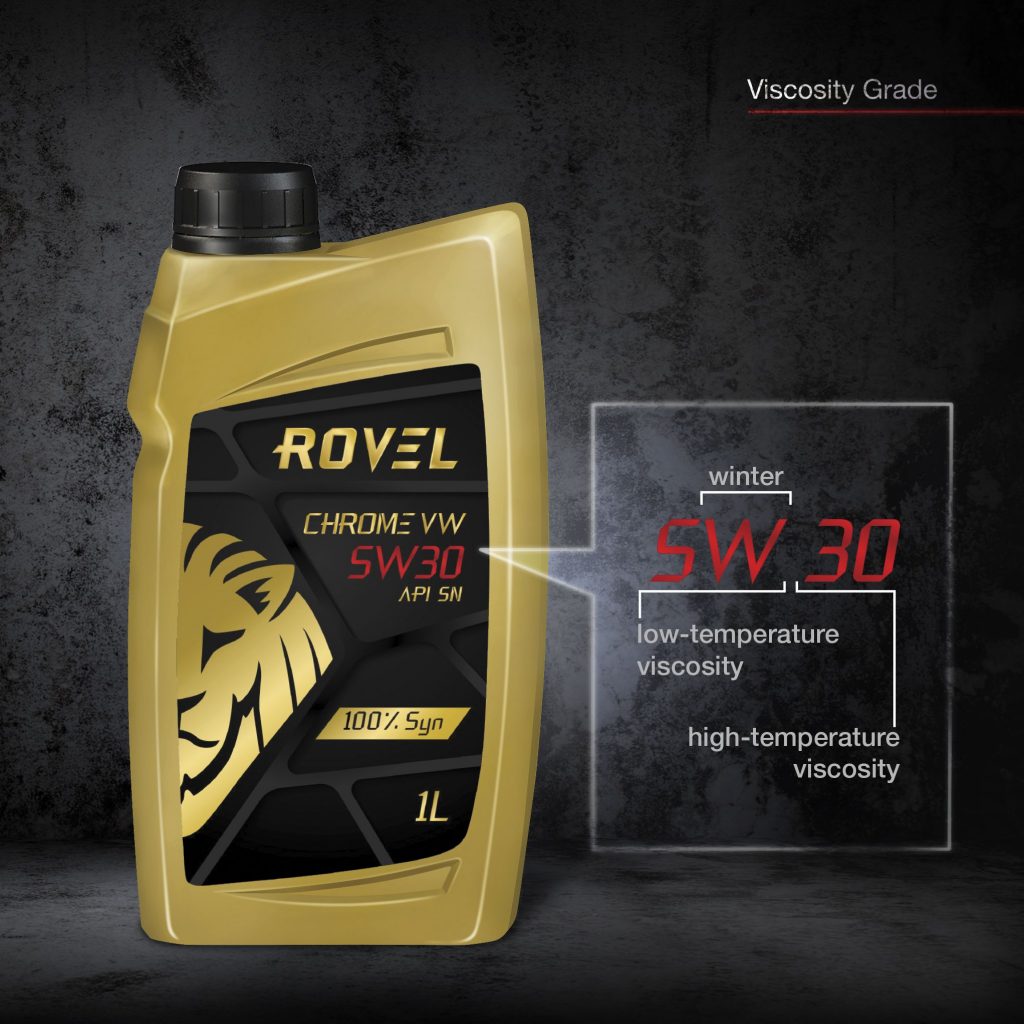
There are two numbers mentioned on the gallon. These numbers indicate the viscosity of the oil. The first number which ends with the letter W shows the viscosity of the oil for cold weather. The number on the right side shows the viscosity of the oil at high temperatures.
The lower the viscosity means the oil is thinner and oil has low resistance to the flow and vice versa. You can know the suitable viscosity for your vehicle on your engine cap or the user manual.

Oil Standards
The last thing we need to check is the standards of engine oil. If we will have a closer look at the label of engine oil, we will get to know that there are some ciphers written on it such as API, ILSAC, and ACEA. These ciphers indicate that whether the manufacturer is meeting the required oil quality and standards or not. API and ILSAC are the most popular engine oil manufacturing standards for companies.
Conclusion

Conclusion
Understanding the oil types and choosing the best engine oil for your vehicle can be a difficult procedure, but choosing the right engine oil is very much important, the same as choosing the right food for your body type.
Hopefully, the above-mentioned information will help you to find suitable engine oil next time according to your vehicle needs.