
When you need to replace or buy a used vehicle it is a hard task. Buying a used car can be an overwhelming investment. No doubt buying a used vehicle can be hard and you always need to go with proper planning. A vehicle for most people is a big purchase for their lives in terms of financial values. Used cars have many wear and tears problems so it is not surprising that caution is necessary. Here are some best tips or guidance to help you buy a used car. This provides a general overview of what to look for or how can be saved from fraud.
Decide Car Model and Budget:

Finding the right used car is challenging, before going to buy a used car the first and foremost thing is that decide your car budget and model. Consider your needs which features, necessities, and luxuries you want. It is important to consider the not only size and performance of vehicles but also their fuel economy, safety rating, and vehicle costs. It is an important step that helps you to save your time and your mind is always clear about selection.
Search Car’s Models Online and at Local Dealers:
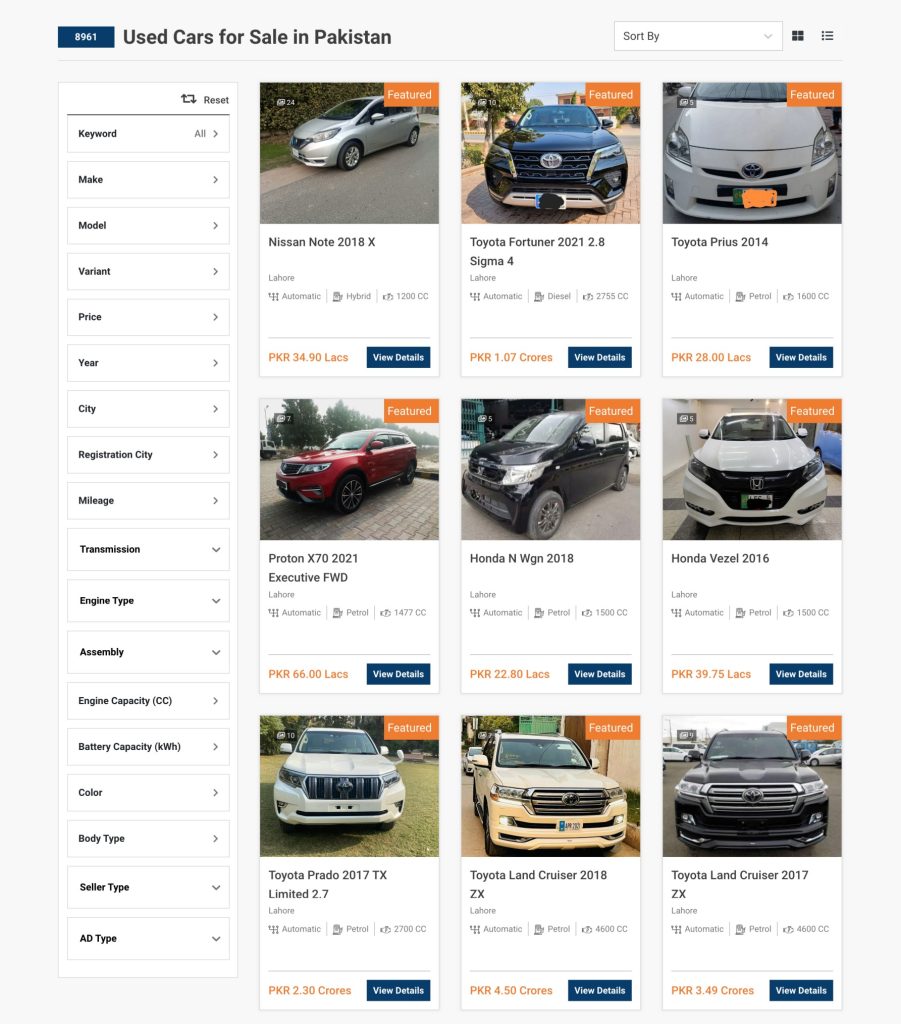
After deciding the model and budget of the vehicle the second step is to find your dream car from online websites and at local dealers. Don’t decide to fast always visit some dealers before purchasing the vehicle. There are hundreds of online vehicle websites you can browse more than a million used vehicles from these websites.
Visit Seller After the Telephonic Conversation:
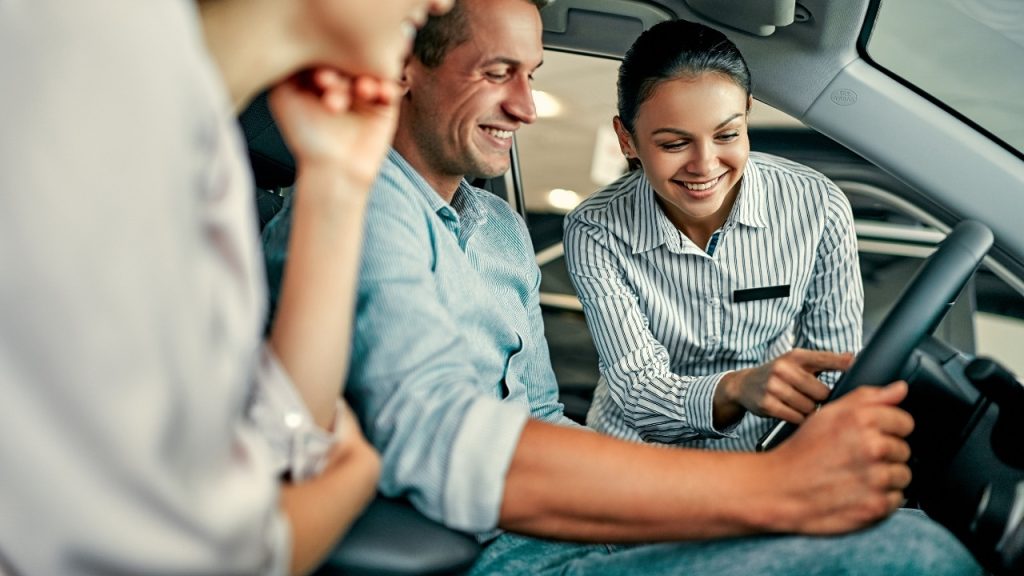
If you are looking used vehicle online do a couple of calls with the seller to ask for detail. After that visit the owner of the vehicle for further discussion and checkups. If you direct visit the seller might be the car you checked online does not have the documents or some other issues. At this setup with the seller, you should examine the interior and exterior of the vehicle carefully.
Take a Drive Test:

Once you have decided vehicle, you should take a test drive. It is a good way to make sure that you got what were you expecting. Through this test, you will be aware of most of the faults and flaws in the car. Starting the vehicle should be an effortless process. There should not be unpleasant noise, check the weird voices of the running engine and check the tailpipe there should be no smock and oil. Most of the people change their minds after the test drive because the car was not what they wanted.
Get the Vehicle’s History:
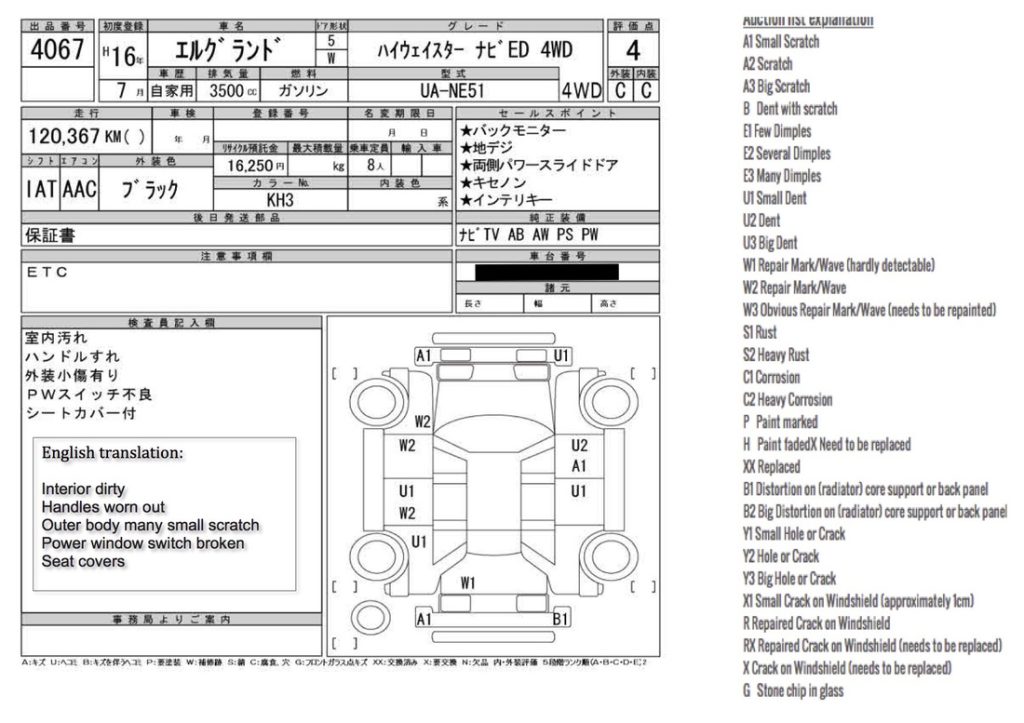
After the driving test, it is important to check the vehicle service history report. This step is essential. It is possible to get any previous accident, problems with the vehicle, and the number of the previous owner. You should get the license plate number and car’s identification number of the vehicle. History report can show you the detail about the damage history, replaced parts, and airbag deployment. If the car has a bad history report you know the better soon. If the sale is through a private seller then the buyer will have to pay most of the bill. Auto Deals is the best source for Japanese vehicle verification. These reports give real information about the car.
Check Car Body:
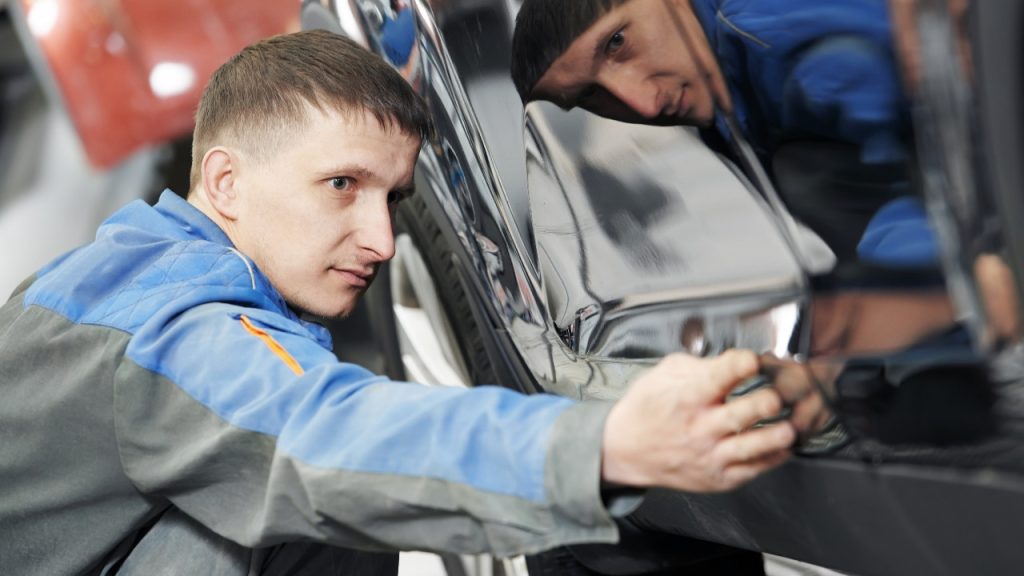
A visual inspector is one of the easiest ways to check the vehicle bodywork while looking at the vehicle. You should especially check signs of the replacement panel and repainting on the vehicle, for possible leakage check the door seals and panel gaps that indicate the vehicle is accidental or not. You should check the dents, dimples, scratches, repair marks, rust, crash damage, and much of the car as you can outside, inside, and underneath. This visual inspector helps you to build a picture of the car’s past.
Check Car Interior:
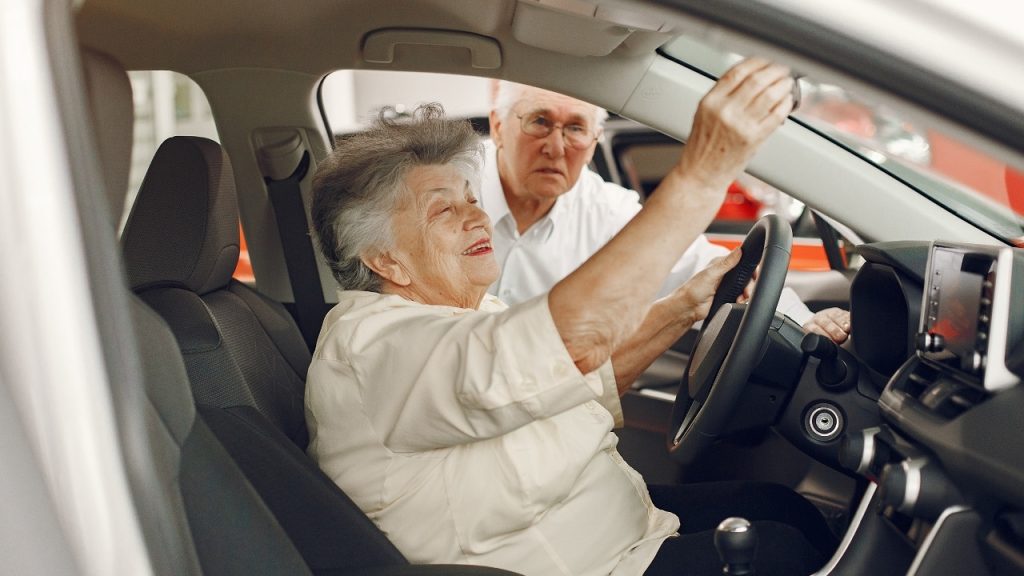
The interior condition of the car helps you to determine the real mileage of the car. A vehicle under 20,000 mileage has an interior almost new. If the vehicle is old must have worn on the steering wheel, seat bases, and side bolsters. A smoker’s car must have stains of burning on the seats. It is important to check the tears in the upholstery, drilled holes in the dashboard, and sagging roof lining and also check the operation of all appliances from lights to the ventilation system, all electronic features like window radio, central locking and sunroof, etc.
Check the Documents:
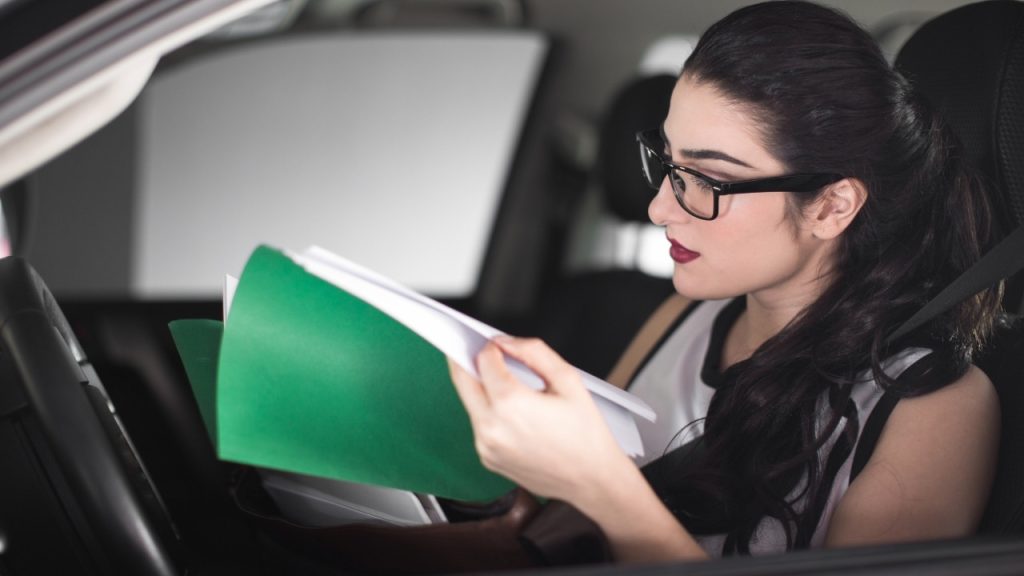
Therefore the vehicle is fine and good but doesn’t proceed until you have checked the documents of the car. Here Few things you should be noticed:
- Make sure the registration certificate is not duplicated, it is an important document that ensures the legal status of the vehicle and ownership.
- The engine number and Chassis should be the same on the registration form and vehicle.
- To determine the condition of the engine you need to call for inspection team.
- You should be aware of the vehicle loan NOC. It confirms that if the vehicle is purchased on debt, all the debt obligations have been paid and there is no claim of finance on the car.
Negotiate With Owner:

When the test drive and mechanical inspection are done, now you have to negotiate with the owner to set up the purchase price and finalize the sale. While dealing with the owner you must get the idea of car prices online, set up your budget in advance, compare it, and bargain accordingly. If you feel the price of the vehicle is overpriced, stick on the low price, bargaining again and again until the real price is fixed.
Get the Paperwork Done:
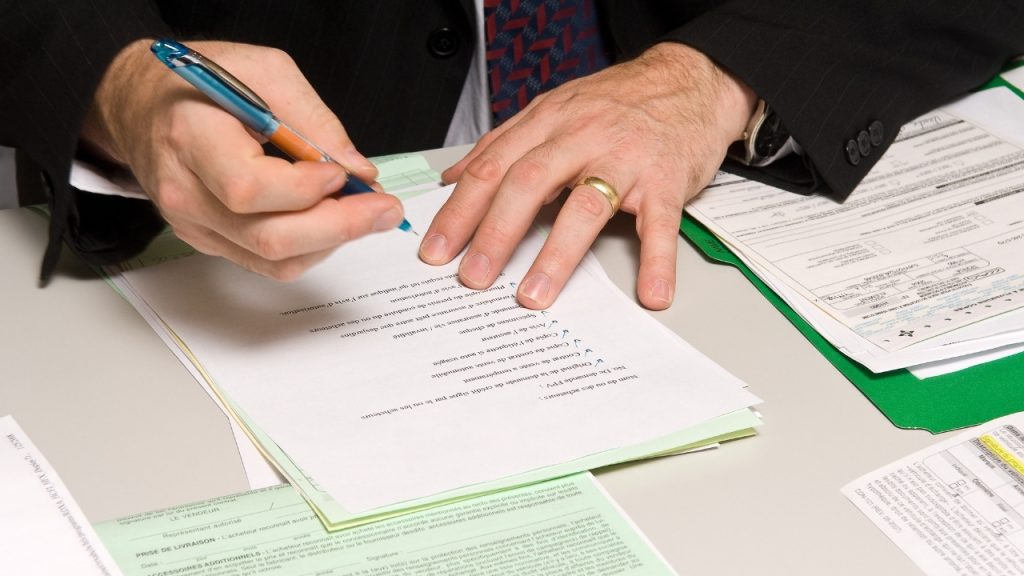
After finalized, the price with the owner makes a proper transfer contract on transfer paper. It is the most important step to avoid future and previous fraud. Collect all papers and documents from the owner and for transferring the vehicle. Be careful, don’t buy a stolen vehicle, and always verify the vehicle history from the police station.
Transfer Ownership:
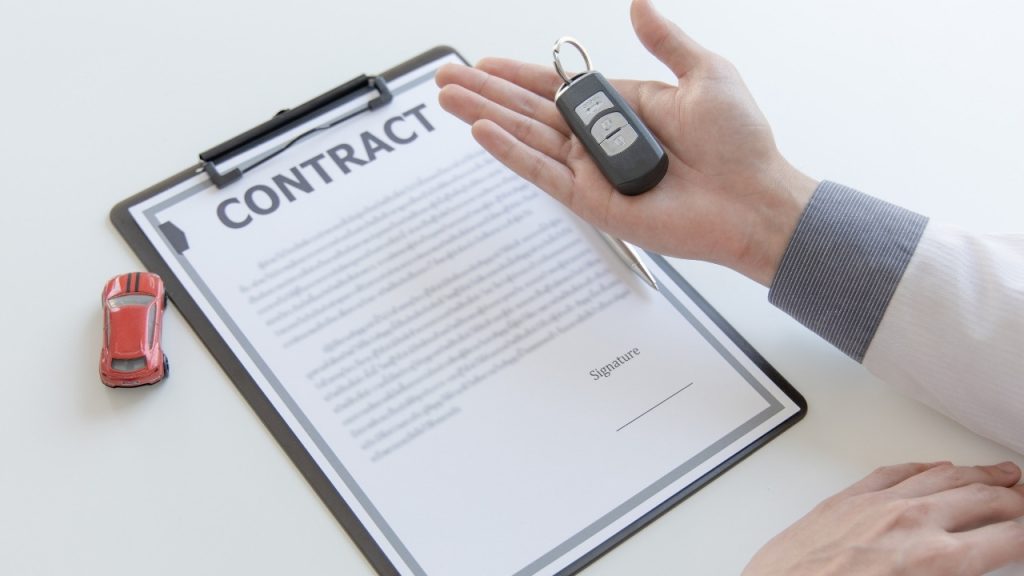
After purchasing the vehicle transfer the ownership immediately and submit the complete record to the excise office and make sure to get the owner’s card from the excise office after transfer. The transfer is necessary because after the transfer you have the statement that the vehicle is bought on this date and you are not responsible for previous records of the vehicle.