

Overview
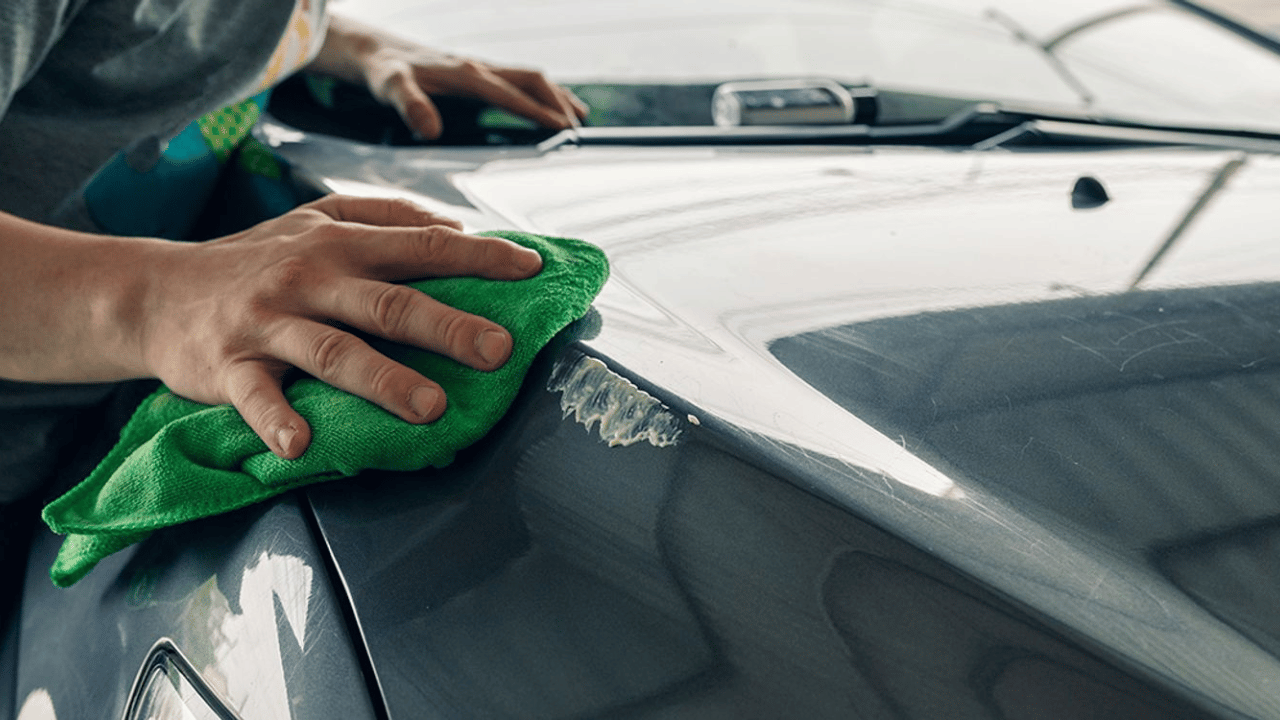
Car scratches can range from little flaws to large, unattractive ridges. Understanding the many types of car scratches and how to fix them will assist you in keeping your vehicle looking its best. In this article, we’ll discuss the most frequent forms of vehicle scratches and how to fix them.
Light Car Scratches
The most common type of car scratch is a light scratch. They are often minor and can be caused by intentional touching against bushes or trees, kids rubbing keys with car bodies as well as bad washing or drying methods.

Swirl Marks
Swirl marks are a form of minor scratches generated by ineffective cleaning procedures. They are generally only visible when the light shines on the car in a specific way.

Deep Car Scratches
Deep scratches are more severe than light scratches and can be created by both accidental strikes and intentional damage. They have the ability to enter the paint and reach the underlying metal, leaving a visible mark. Deep scratches, which may need sanding and repainting, should be treated by an expert.

Scratches with Keys
Key scratches are intentional acts of vandalism, generally committed by someone scratching a car with a key. These scratches can be deep and comprehensive, affecting the appearance and value of the vehicle. It’s preferable to engage an expert to repair important scratches, as repairs may include sanding and repainting.

Rust
Rust is a kind of corrosion that can develop on metal surfaces. If a car scratch is not fixed, rust can form in the scratch and spread, causing more damage. To avoid rust, it is important to fix scratches as soon as possible and to have any rust that accumulates professionally cleaned and treated.

How to Fix Car Scratches
There are multiple tips to repair the scratches easily with household items are mentioned below,
To fix swirl marks, wash the vehicle with a soft, clean cloth and avoid using harsh or rough items that might harm the paint. Swirl markings may also be removed by a qualified detail shop.
Scratches are frequently repairable using toothpaste, compound polish, baking soda, nail polish, or a scratch-fix kit.
Toothpaste
Using toothpaste to remove car scratches is one of the most common procedures. This approach is most effective for tiny, superficial scratches. Apply a tiny quantity of toothpaste on a clean cloth and massage it in a circular motion into the scrape. Never wet cloth directly on a dusty car.

Compound Polish
Rubbing compound is another simple and inexpensive way to remove dirt marks or paint splashes. It is widely available on the market. Apply the compound to the scratch, sprinkle with water, and massage with a clean microfiber cloth, much like toothpaste. Rub it for a few minutes to get the preferred result. This simple procedure generally removes the filthy sport quickly. However, after rubbing and wiping this compound, you may notice a little bump over the location. However, it is modest and far superior to repainting the entire affected portion of your vehicle.

Baking Soda
Baking soda is another common homemade vehicle scratch repair procedure. This basic household item may be used to erase minor scratches from the paint finish of your vehicle. Make a paste of baking soda and water and apply it with a clean cloth to the infected spot.
Nail Polish
Clear nail paint may be used to repair vehicle damage. Allow the nail polish to dry after applying it to the damaged spot. To notice effects, you may need to apply extra coats.



Here we discuss how to repair major scratches,
Touch-up Paint
Touch-up paint is a simple and cost-effective way to repair minor damages. It’s simple to use and available at most auto parts stores. The paint is color-matched to your car, so it should blend in and be invisible.
Touch-up paint is only appropriate for minor scratches. Touch-up paint may not be enough to completely cover deep damage, and it may still be apparent. Furthermore, if the color match is not exact, the paint may be see if you look closely.
Scratch Repair Kit
A filler and a clear coat usually include in scratch repair kits. They are simple to use and are available at most auto parts stores. The scratch is fill with filler, and then the clear coat is place on top. The clear finish protects the paint from additional damage and helps the restoration blend in.
Scratch repair kits cost more than touch-up paint. They may not be ideal for deep scratches since the filler may be insufficiently strong to fill the whole scratch. Furthermore, the repair may not precisely match the color of your vehicle, making it visible if you look closely.
Professional Repair
Professional repair is the most thorough method of repairing automotive scratches. An expert will be able to effectively repair the scratch and return the paint to its former state. They have the equipment and knowledge to repair the blemish properly, making it less obvious. Furthermore, they may completely match the color of your car, making the repair nearly invisible.
Conclusion
There are various choices for fixing car scratches, each with its own set of advantages and drawbacks. Touch-up paint is a low-cost alternative for minor scratches, but it may not be suitable for deep scratches. Scratch repair kits are more extensive than touch-up paint, although they may not work for severe scratches.
Professional repair is the most thorough choice, but it can be costly. Ultimately, the best solution for you will depend on the severity of the scratch and your budget. You can also apply these terms on your new cars if you get any unconditionally scratched.
[faq-schema id=”98026″]